
When Florida homeowners start exploring options for outdoor living space, two terms come up constantly: lanai and screened porch. They are used interchangeably in some conversations and treated as completely distinct things in others, which creates genuine confusion when you are trying to plan and budget for a project. Understanding the real differences between a lanai vs screened porch is not just a matter of vocabulary. It has practical implications for cost, construction, permits, and which option actually fits your home and lifestyle.
At Affordable Lanai, we have been helping Hillsborough County homeowners create outdoor living spaces for over 15 years. We have installed more than 2,000 lanai screen enclosures and spent countless consultations helping people sort through exactly this question. This guide gives you the clearest, most practical comparison of a lanai vs screened porch so you can make a confident decision before investing in either.
Defining the Terms: What Each One Actually Is
What Is a Lanai?
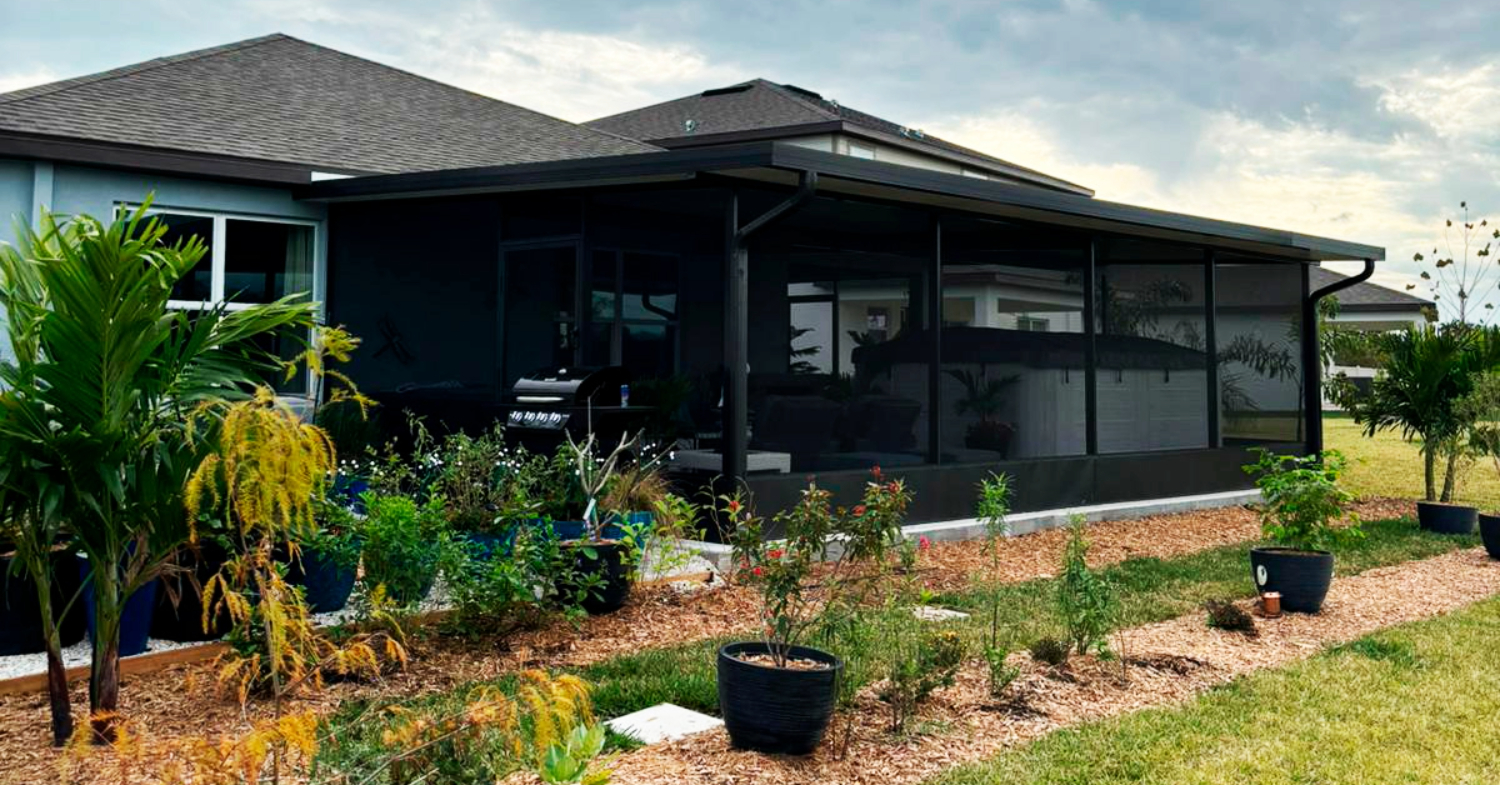
The word lanai comes from Hawaiian and refers to an outdoor living area, typically at ground level, that is integrated with the home’s living space. In Florida, the term has taken on a specific meaning: a ground-level outdoor room enclosed by aluminum framework and screen mesh, typically extending from the back of the home and often enclosing a patio, pool, or both. A Florida lanai is screened on all sides and across the roof, creating a fully enclosed outdoor space that is protected from insects and partially sheltered from sun and rain while remaining open to airflow.
The defining characteristic of a Florida lanai is the screen enclosure itself. The structure is typically aluminum-framed, attached to the home’s back wall, and built over an existing or new paver patio or concrete slab. It is not a room addition in the traditional sense because it lacks walls and climate control, but it functions as a genuine outdoor living room that is usable virtually every day of the year in Florida’s climate.
What Is a Screened Porch?
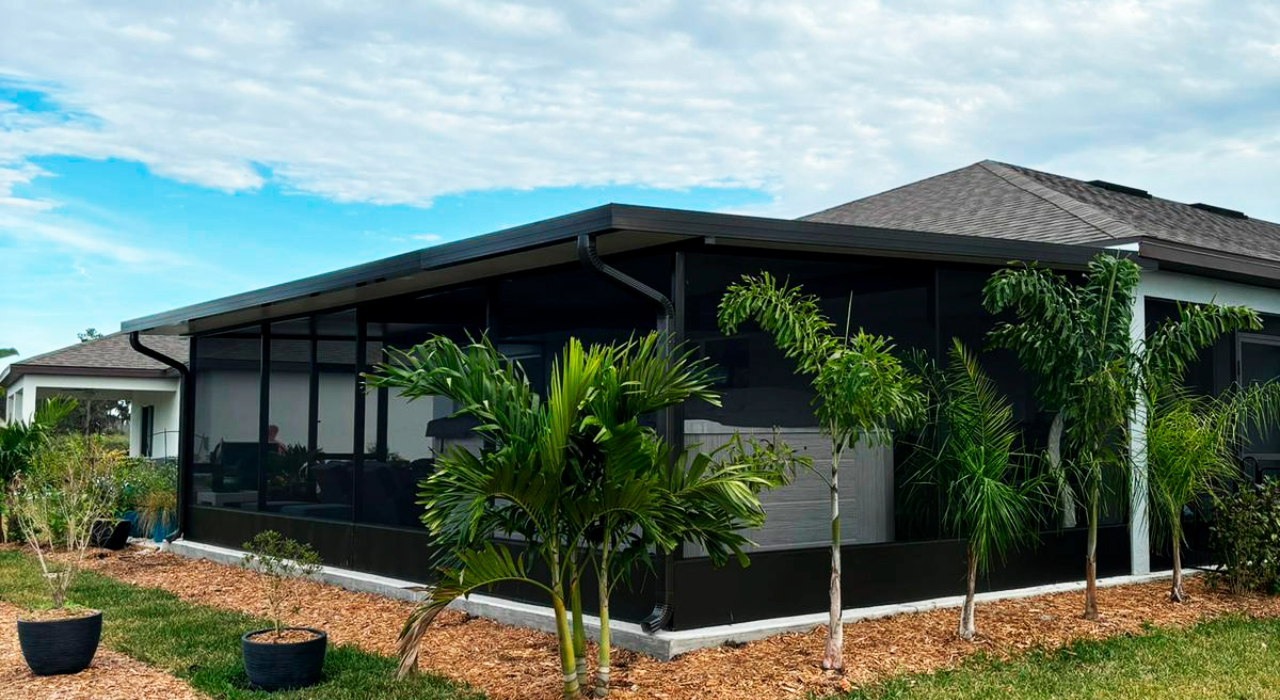
A screened porch is, in most traditional definitions, a covered porch that has been enclosed with screen panels on the open sides. Unlike a lanai, a screened porch typically has a solid roof that is structurally integrated with the home, often using the same roofing materials as the main structure. The walls between the roof framing and the floor are screened rather than solid, creating an enclosed, bug-free outdoor space that is more permanently integrated with the home’s architecture than a lanai enclosure.
In practice, the line between a lanai and a screened porch blurs considerably in Florida because so many homes have covered rear areas enclosed with screen systems that do not fit neatly into either category. The terms are often used interchangeably in real estate listings, contractor conversations, and everyday speech, which is part of why the lanai vs screened porch comparison requires some care.
Planning your summer budget is easy when you get an instant estimate for your new outdoor enclosure.
Key Differences: Lanai vs Screened Porch
Structure and Construction
This is where the most meaningful practical difference between a lanai and a screened porch lives. A lanai screen enclosure uses an aluminum framework that is typically a freestanding or semi-attached structure. The roof of the enclosure is screened or covered with pan roof, composite, or insulated roof panels, but it is not structurally integrated with the home’s roofline the way a traditional screened porch would be. This makes lanai enclosures faster to build, less structurally invasive, and generally less expensive per square foot than a full architectural screened porch addition.
A traditional screened porch involves structural carpentry that ties into the home’s framing, a permanent roof structure using matching or complementary roofing materials, and finish work that blends the addition seamlessly with the home’s existing architecture. This level of construction is substantially more expensive and time-consuming than a screen enclosure, and it requires a more involved permitting and inspection process.
Cost Comparison
The cost difference between a lanai screen enclosure and a structurally integrated screened porch addition is significant. A lanai screen enclosure from Affordable Lanai starts at $13,380 for a 20 by 20 foot enclosure and scales up to $26,999 for a 30 by 40 foot project. A fully constructed architectural screened porch addition with a permanent roof, structural framing, and finish work typically costs considerably more per square foot because of the structural and finish carpentry involved. For homeowners who want maximum outdoor living space at the most accessible price point, a lanai screen enclosure almost always delivers more value per dollar.
Flexibility and Customization
Lanai screen enclosures offer significant flexibility in scope and design. The aluminum framework can enclose almost any footprint, including irregular shapes, pool areas, and patio spaces of varying sizes. Roof options include screen mesh roofs for maximum airflow, pan roofs for partial rain protection, and composite or insulated roof panels for full overhead weather protection. Frame colors are available in white and bronze to complement the home’s exterior. This flexibility makes it straightforward to design an enclosure that fits the specific geometry and aesthetic of your property.
A traditional screened porch addition is more architecturally constrained because it needs to integrate with the home’s existing structure and roofline. The design options are broader in some ways, including the ability to match the home’s architectural style very closely, but the construction complexity makes design changes more costly to implement.
Permits and Timeline
Both a lanai enclosure and a screened porch require permits in Hillsborough County. The permitting process for a lanai screen enclosure is generally faster and more predictable than for a structural porch addition because the construction type is well-established and local building departments are very familiar with the standard enclosure formats. At Affordable Lanai, we handle all permit acquisition for every project, navigating the local process efficiently so your project stays on schedule.
A structural screened porch addition involves architectural drawings, structural engineering review, and a more extensive inspection sequence that extends the permit timeline. For homeowners who want their new outdoor space ready for next season rather than the season after, a lanai enclosure’s faster permitting and construction timeline is a practical advantage.
Weather Protection
A lanai screen enclosure with a screen mesh roof provides excellent insect and debris protection with maximum airflow but limited overhead rain protection. Upgrading to a pan roof or insulated roof panel provides meaningful rain protection while maintaining the open, airy quality of the enclosed space. A traditional screened porch with a solid architectural roof provides full overhead protection from rain, comparable to being inside the home, while the screened sides maintain the open, fresh-air feel.
In Florida’s afternoon thunderstorm season, the overhead protection difference is meaningful for homeowners who want to use the space regardless of whether it is raining. If maximum weather protection is the priority, a pan or insulated roof lanai enclosure or a traditional screened porch are both suitable options.
Ensure your home is ready for the heat with our professional screen and patio services.
Which One Is Right for Your Home?
The lanai vs screened porch choice ultimately comes down to budget, timeline, the specific outdoor space you are working with, and how architecturally integrated you want the addition to be.
A lanai screen enclosure is the right choice for the majority of Florida homeowners who want a quality, bug-free outdoor living space built efficiently and at an accessible price. It is particularly well-suited to properties with an existing patio or pool area to enclose, homeowners who want the project completed within a predictable timeline, and anyone who values the flexibility to customize the enclosure’s footprint and roof type to fit their specific situation.
A traditional screened porch addition may be the better choice for homeowners who are making a significant architectural investment in the home’s overall design, who want the tightest possible architectural integration with the home’s structure, or who have a specific existing covered porch area that lends itself to a screen enclosure conversion rather than a new freestanding structure.
Check out our latest project updates to see how we’re getting other homeowners ready for the season.
Frequently Asked Questions
Is a lanai the same as a Florida room?
Not quite. A Florida room is typically a fully enclosed, climate-controlled room addition with glass or solid walls that effectively extends the conditioned living space of the home. A lanai is an outdoor living space enclosed by screen mesh that remains open to airflow and is not climate-controlled. Both are considered outdoor living space improvements, but a Florida room is more accurately classified as a room addition while a lanai is an outdoor enclosure.
Do lanai enclosures add value to a Florida home?
Yes, consistently. A quality lanai screen enclosure adds both functional value and resale value to a Florida home. Buyers in the Hillsborough County and Tampa Bay market understand the quality of life difference between a home with and without an enclosed outdoor living space, and real estate agents consistently report that an enclosed lanai or pool area is one of the features that generates the most positive buyer response.
What is the best roof type for a Florida lanai enclosure?
The best roof type depends on how you plan to use the space. A screen mesh roof provides maximum airflow but offers no rain protection. A pan roof provides partial rain protection and is the most popular choice for pool and patio enclosures across Florida. A composite or insulated roof panel provides full overhead weather protection and thermal insulation, making the enclosed space noticeably cooler on hot days. If you plan to use the space frequently during afternoon storms, upgrading to a pan or insulated roof is worth the investment.
How much maintenance does a lanai screen enclosure require?
Lanai screen enclosures require modest, routine maintenance to stay in good condition. Cleaning the screen mesh periodically with a mild soap solution removes dirt, pollen, and biological growth. Inspecting the screen for tears after significant storms allows small repairs before they become full panel replacements. Checking that door hardware is functioning correctly ensures the enclosure continues to provide its intended insect barrier. Affordable Lanai’s 10-year material warranty covers manufacturing defects in the materials we install.
Can a screened porch be converted to a lanai enclosure?
In many cases, yes. An existing screened porch with deteriorated or damaged screen panels can be re-screened using quality aluminum screen mesh to restore its function as a bug-free outdoor space. If the underlying frame structure is in good condition, the re-screening process is straightforward and significantly less expensive than a full new installation. An on-site assessment determines the most practical path forward for a specific existing structure.
Make the Choice That Fits Your Florida Lifestyle
The lanai vs screened porch question resolves differently for every homeowner, but for the majority of Florida homeowners who want a quality, practical, and well-priced outdoor living space, a professionally installed lanai screen enclosure delivers the best combination of value, function, and livability. It creates the bug-free outdoor space that makes Florida living genuinely enjoyable, at a price point and construction timeline that works for real households.
Affordable Lanai has been Hillsborough County’s trusted lanai specialist for over 15 years, with more than 2,000 enclosures installed using high-quality US-manufactured aluminum and screen materials. Our team handles everything from permits through final inspection, and our commitment to educating every client throughout the process means you always know what is happening and why. We back every installation with a 10-year material warranty and a 1-year labor warranty.
Contact Affordable Lanai at (813) 777-5665 or visit affordablelanai.com to build and price your enclosure online. We serve Hillsborough, Manatee, and Polk County and are ready to help you design the outdoor living space your home has been waiting for.