
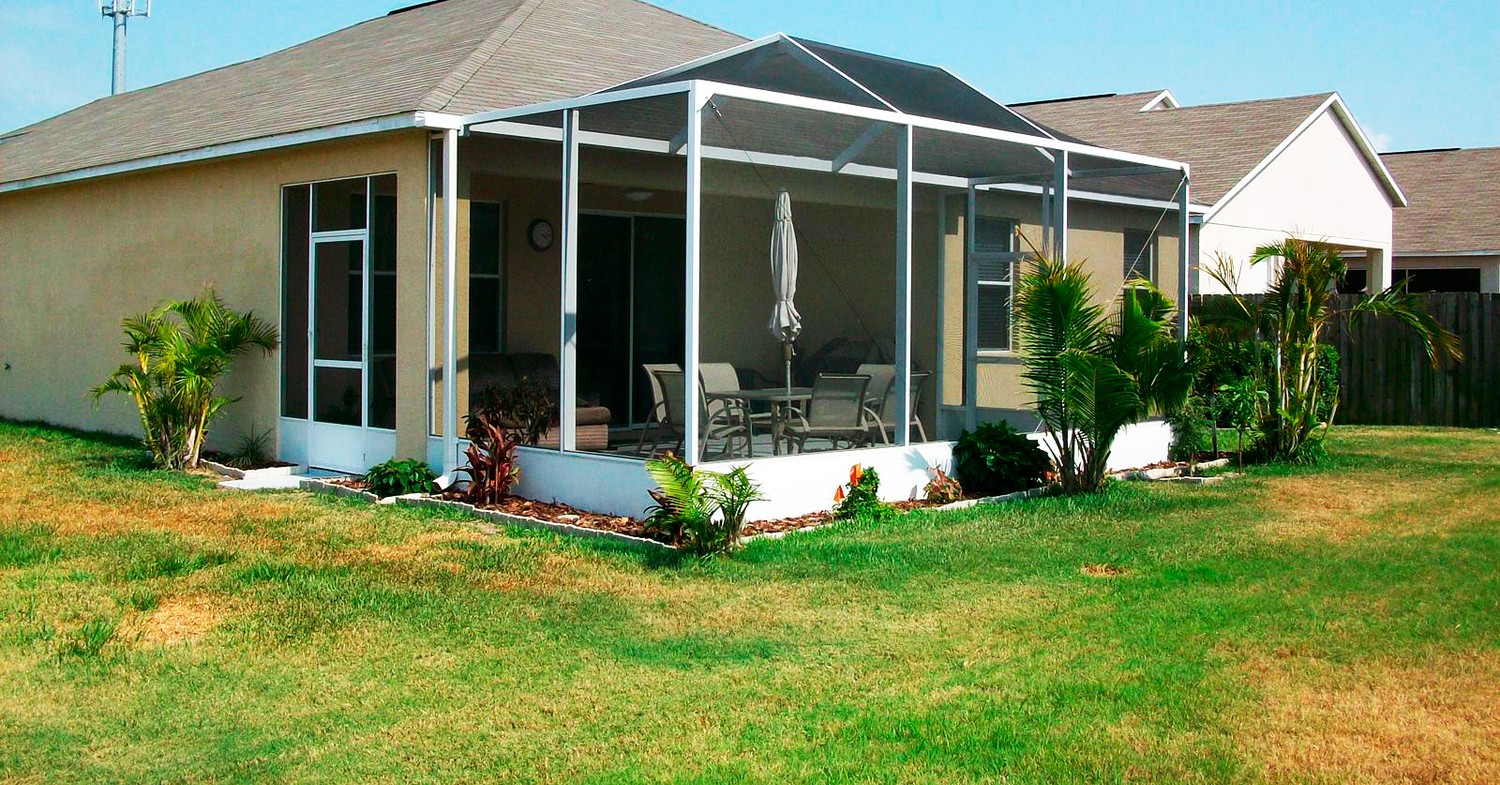
Embracing the beautiful year-round climate of the Sunshine State is a dream for many, but dealing with intense UV rays, heavy afternoon rainstorms, and relentless mosquitoes can quickly ruin your outdoor relaxation. For property owners looking to reclaim their backyard spaces, enclosing a patio or porch is the ultimate structural upgrade. However, before breaking ground on your new exterior remodeling project, establishing a clear understanding of the modern lanai screen installation cost is absolutely essential for accurate financial forecasting. Because every outdoor living space is architecturally unique, calculating the exact financial requirements involves evaluating specific material grades, local building codes, and structural engineering demands that are unique to our coastal environment.
Successfully planning your upcoming home improvement project means looking past generic online price calculators and analyzing the real-world variables that dictate your final invoice. Many eager homeowners severely underestimate their total lanai screen installation cost because they fail to account for mandatory hurricane-rated aluminum framing or specialized insect-blocking mesh upgrades. To completely protect your home equity and avoid unexpected budget overruns, you must actively partner with a certified local contractor who understands regional weather demands. In this comprehensive 2026 pricing guide, we will break down every structural component, material choice, and municipal requirement that directly influences your custom enclosure investment.
Table of Contents
- Core Variables Driving Your Custom Screen Enclosure Estimate
- Average Cost Breakdown by Square Footage and Height
- Mesh Material Upgrades: Phiferglass vs. No-See-Um Screens
- Structural Aluminum Framing and Florida Wind Load Engineering
- Navigating Municipal Permitting, HOA Approvals, and Fees
- The Return on Investment for Your Florida Property Value
- Frequently Asked Questions
- Securing a Flawless Outdoor Living Space with Local Experts
Core Variables Driving Your Custom Screen Enclosure Estimate
The baseline financial foundation of any exterior patio project begins with assessing the physical footprint of your concrete slab. When analyzing your expected lanai screen installation cost, the overall square footage and the height of the required roofline are the two most significant physical factors. A standard single-story enclosure extending ten feet from your back door requires substantially less raw aluminum and labor than a massive, two-story custom build designed to house an entire outdoor kitchen and seating area.
Beyond basic dimensions, the complexity of your home’s existing architecture plays a massive role in determining your final lanai screen installation cost. If your contractor needs to tie the new aluminum framework directly into a complex existing roofline, gutter system, or custom brick fascia, the labor hours required to ensure a perfectly watertight seal will naturally increase. Working with structural irregularities requires precise custom cuts and specialized engineering, which ultimately adjusts the overall price tag of your backyard renovation.
Average Cost Breakdown by Square Footage and Height
To help you organize your household budget effectively, it is crucial to review current market baselines for typical Florida patio enclosures. While custom upgrades will always modify the final number, understanding the average lanai screen installation cost per square foot provides a solid starting point. For a standard, professionally installed aluminum structure utilizing basic charcoal fiberglass mesh, homeowners can generally expect to invest between $10 and $18 per square foot of total enclosed area.
| Project Size Dimension | Standard Mesh Material Estimate | Premium Upgraded Mesh Estimate |
|---|---|---|
| Small Patio (10×15 Feet) | $1,500 – $2,700 | $2,500 – $3,500 |
| Medium Lanai (20×20 Feet) | $4,000 – $7,200 | $5,500 – $8,500 |
| Large Custom (20×40+ Feet) | $8,000 – $14,400+ | $11,000 – $18,000+ |
Keep in mind that these figures represent the enclosure itself. If your project requires pouring a brand-new concrete foundation or laying custom architectural pavers before the framing can begin, your total lanai screen installation cost will increase to cover that masonry work. To review our complete range of design configurations, feel free to visit the Affordable Lanai Home Page for detailed structural inspiration.
Mesh Material Upgrades: Phiferglass vs. No-See-Um Screens
The type of protective mesh you choose directly impacts both your daily comfort and your long-term project budget. The standard material used in most basic estimates is heavy-duty Phiferglass, a highly durable woven fiberglass that provides excellent visibility and basic mosquito protection. This standard material keeps your initial lanai screen installation cost highly competitive while delivering reliable performance for typical residential neighborhoods.
However, if you live near dense coastal mangroves, lakes, or humid wetlands, upgrading your material is an absolute necessity. Specialized No-See-Um screens feature a significantly tighter weave specifically designed to block microscopic biting midges that easily pass through standard fiberglass. Additionally, Florida Glass (vinyl-laminated screen) can be installed along the bottom panels to keep dirt and grass clippings out of your clean patio area. While selecting these premium textiles will raise your overall lanai screen installation cost, the dramatic increase in your daily comfort and privacy makes it a highly worthwhile investment.
Structural Aluminum Framing and Florida Wind Load Engineering
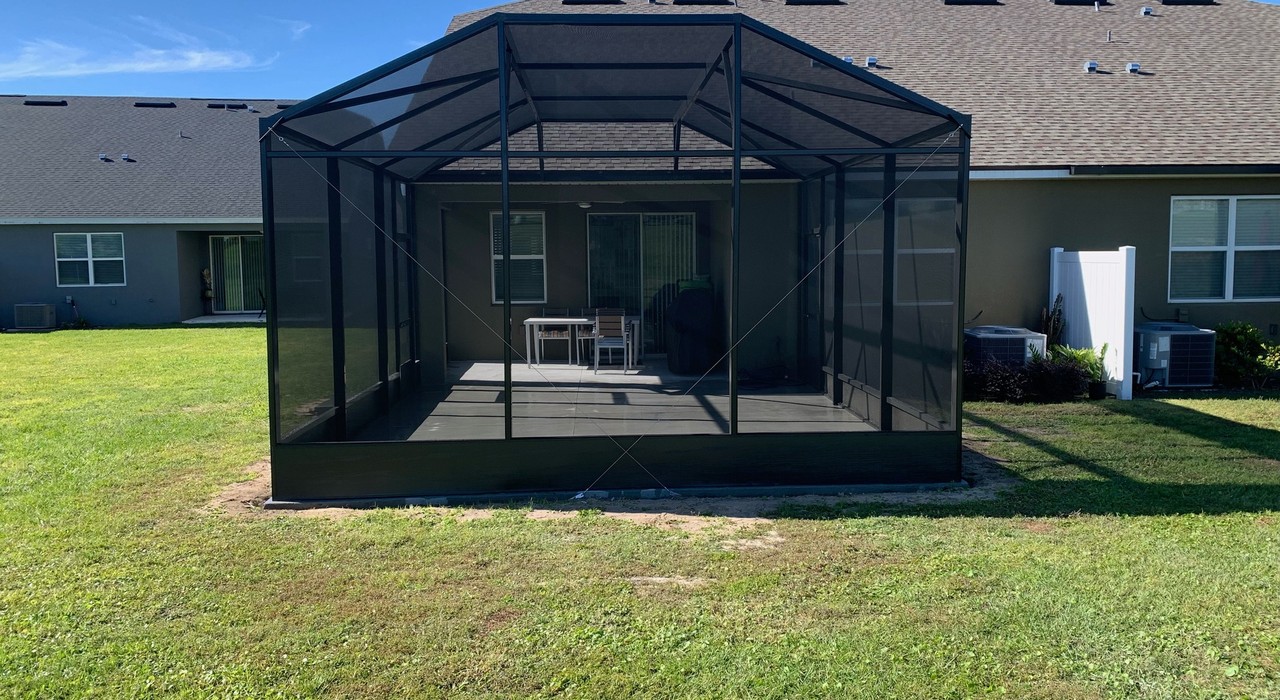
In our unique coastal environment, a patio enclosure is not just a visual upgrade; it is a structural barrier that must withstand intense tropical weather. A major portion of your custom lanai screen installation cost goes directly toward heavy-duty, extruded aluminum framing. Unlike cheap DIY kits sold at big-box hardware stores, professional installations require thick, structural-grade aluminum components that will not easily bend, rust, or collapse when subjected to high-velocity hurricane winds.
Furthermore, Florida building codes strictly dictate the specific wind-load engineering standards required for any exterior structure attached to your home. Your contractor must utilize specialized heavy-duty fasteners, internal structural gussets, and properly spaced upright posts to legally pass municipal inspections. While these rigorous safety standards increase the baseline lanai screen installation cost, they guarantee that your beautiful new outdoor living space remains completely safe and structurally sound for decades to come. To explore our high-quality structural materials, check out our Custom Enclosure Services page.
Navigating Municipal Permitting, HOA Approvals, and Fees
Before a single piece of aluminum is cut on your property, a significant amount of administrative paperwork must be completed. Every professional lanai screen installation cost includes the administrative time and municipal fees required to secure official township building permits. Skipping this vital legal step is incredibly dangerous; unpermitted structures can result in massive daily fines, complicated real estate title issues when selling your home, and forced demolition by local zoning authorities.
In addition to city or county permits, many Florida homeowners reside within strict Homeowner Associations (HOAs). Your contractor often needs to draft highly detailed architectural blueprints and 3D renderings to submit to your HOA’s architectural review board for formal approval. The drafting, engineering stamps, and filing fees associated with this legal compliance are a standard part of your total lanai screen installation cost. Working with an experienced local contractor ensures this complex bureaucratic process is handled smoothly and legally.
The Return on Investment for Your Florida Property Value
While evaluating your upcoming construction budget, it is important to view your project as a long-term financial asset rather than a simple operational expense. A beautifully designed, code-compliant outdoor enclosure drastically increases your home’s total functional living space. Real estate experts consistently note that homes featuring well-maintained, bug-free outdoor living areas sell significantly faster and at higher market premiums than comparable homes lacking these amenities.
Ultimately, the initial lanai screen installation cost is frequently offset by the massive boost in your property’s resale value and overall curb appeal. By choosing premium aluminum framing and durable mesh materials, you secure a high-yield return on your initial investment. To understand national building standards and local disaster resilience guidelines for exterior structures, homeowners can easily reference official materials provided by FEMA. Aligning your property with these structural safety standards maximizes your long-term equity.
Frequently Asked Questions
What physical factors most drastically increase my lanai screen installation cost?
The most significant factors are the total square footage of the concrete slab, the height and complexity of the required roofline, and any premium mesh upgrades like No-See-Um screening or Florida Glass privacy panels. Additionally, tying the new structure into complex existing architecture requires more intensive labor.
Are municipal building permits included in the average lanai screen installation cost?
Yes, a reputable and fully licensed local contractor will always include the cost of drafting architectural plans, securing official engineering stamps, and paying the municipal filing fees directly within your total lanai screen installation cost estimate to ensure total legal compliance.
Is upgrading to No-See-Um mesh worth the higher lanai screen installation cost?
Absolutely. If your Florida home is located near dense vegetation, humid wetlands, or coastal water bodies, standard fiberglass mesh will not block tiny biting midges. Upgrading to a tighter weave raises your lanai screen installation cost slightly but guarantees a completely bite-free outdoor experience.
How long does the physical construction process take once materials arrive?
Once all municipal permits are officially approved and the custom aluminum framing materials are delivered to your property, a standard single-story patio enclosure can typically be fully assembled, screened, and inspected within two to four consecutive business days.
Will my lanai screen installation cost include a new concrete foundation?
Generally, a standard estimate assumes you already have a level, structurally sound concrete slab or paver patio in place. If your contractor needs to pour new concrete footers or expand your existing foundation to support the aluminum framework, those masonry costs will be billed separately.
Securing a Flawless Outdoor Living Space with Local Experts
Transforming an exposed, uncomfortable backyard patio into a luxurious, shaded retreat requires meticulous structural planning, premium weather-resistant materials, and a clear understanding of your financial parameters. By properly analyzing your square footage requirements, selecting the ideal protective mesh, and ensuring full compliance with strict Florida wind-load engineering codes, navigating your final lanai screen installation cost becomes a highly predictable and stress-free process. Partnering directly with a certified, locally established enclosure specialist guarantees that your new outdoor living space is built perfectly to code.
Our dedicated structural design team is fully prepared to help you evaluate your backyard, navigate complex HOA approval processes, and lock in a highly transparent lanai screen installation cost for your home. When you are ready to reclaim your patio from the harsh sun and relentless Florida insects, our professional builders are standing by. Contact Affordable Lanai today to request a comprehensive property evaluation and let us build the ultimate bug-free sanctuary for your family to enjoy all year long.