
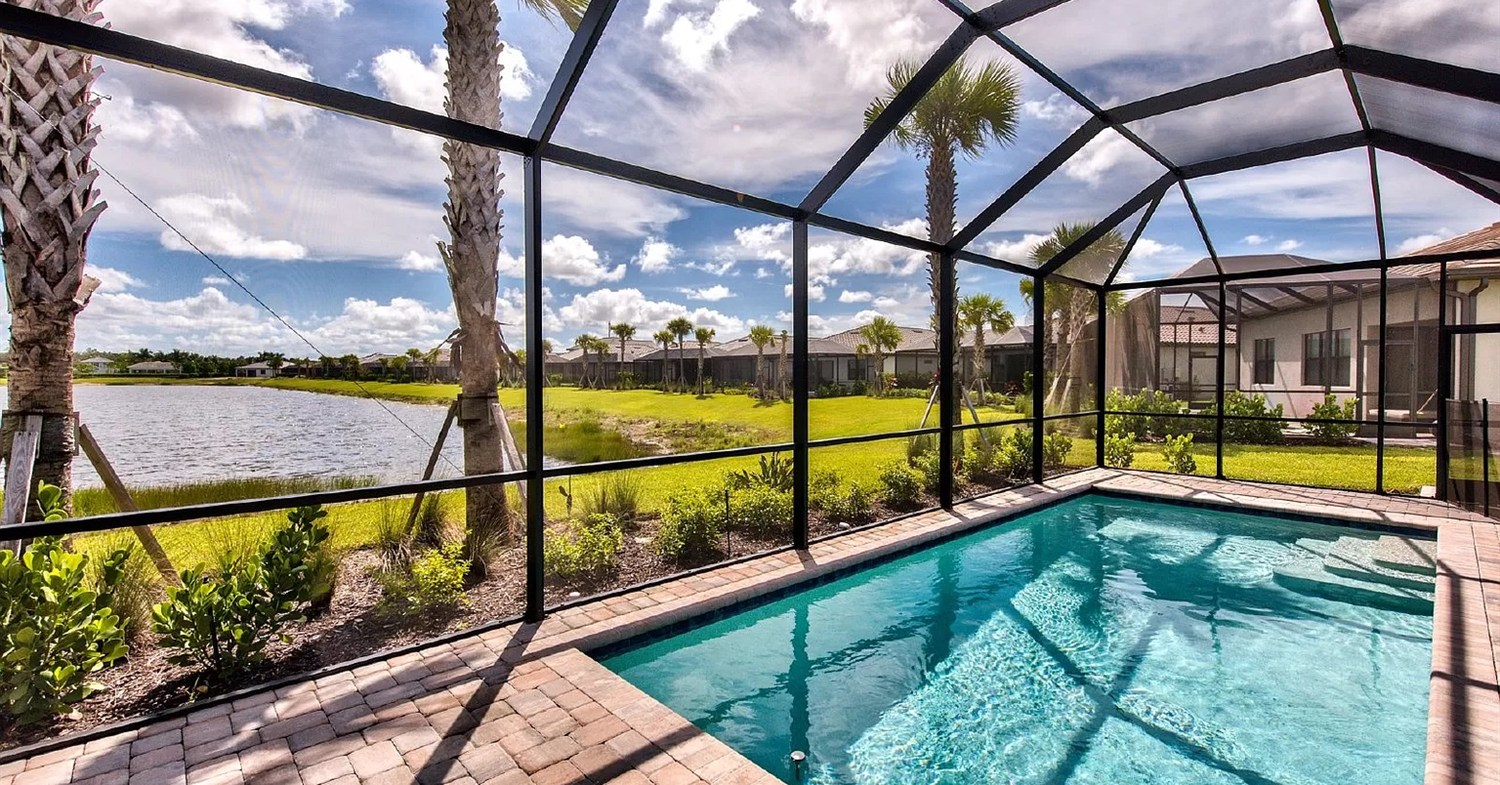
Lanai screen maintenance in florida homeowners can manage themselves comes down to one thing: a consistent quarterly schedule. Most lanai screen maintenance in florida failures aren’t caused by bad materials or major storms. They fail because small issues go unaddressed season after season until they become expensive structural problems. With over 15 years servicing enclosures across Hillsborough County and more than 1,000 completed projects, we’ve seen what separates a 25-year enclosure from one that needs replacement in 10. This guide gives you a practical quarterly maintenance calendar, the right DIY cleaning steps, and a clear list of when to stop and call a professional.
Your Quarterly Lanai Screen Maintenance in Florida Calendar
The single most effective system for lanai screen maintenance in florida homeowners can build is a calendar they actually follow. Florida’s four distinct outdoor seasons – dry, rainy, storm, and recovery – each create different risks for your enclosure. Aligning your lanai screen maintenance in florida tasks to those seasons makes the work manageable and catches problems at the lowest-cost moment.
Q1: January-March (Dry Season Deep Clean)
Low humidity and minimal rain make Q1 the best window for the most intensive lanai screen maintenance in florida tasks of the year. Wash the aluminum frame with a mild soap solution and a microfiber cloth. If you see white chalky oxidation on the frame, apply an aluminum polish to restore the finish. Inspect every screw, bolt, and fastener for rust. Replace corroded hardware with stainless steel before the rainy season starts. This is also the best time to rescreen any panels that are torn, sagging, or more than 10-12 years old.
Q2: April-June (Pre-Storm Season Prep)
April through June is your last clear window for comprehensive lanai screen maintenance in florida work before hurricane season hits. Re-caulk all joints at the roof transition, base connections, and where the structure meets the house wall. Use 100% silicone caulk rated for UV exposure – never latex in Florida’s heat. Clear gutters and drainage channels. Verify that all door hardware closes and seals correctly. By June 1, your enclosure should be fully prepped.
Q3: July-September (Storm Season Monitoring)
During Q3, lanai screen maintenance in florida priorities shift from cleaning to protection and storm monitoring. Before each named storm, remove all furniture, plants, and loose items from the enclosure. After every significant rain event (1.5 inches or more), walk the perimeter and check for new screen tears, frame joint separation, and standing water drainage problems. Document any damage with photos immediately for insurance purposes.
Q4: October-December (Post-Storm Assessment)
Once the peak of hurricane season passes in late October, complete a post-storm deep clean. This is a critical part of any lanai screen maintenance in florida routine. Rinse every panel from the inside out with a soft-spray garden hose. For algae stains common in shaded sections, use a vinegar-water solution (1:4 ratio) and a soft-bristle brush. Then complete a full structural review before the holiday season outdoor entertaining begins.
| Quarter | Priority Task | DIY Cost | Pro Service Cost |
|---|---|---|---|
| Q1 (Jan-Mar) | Deep clean, frame polish, rescreen old panels | $30-$100 | $150-$600 |
| Q2 (Apr-Jun) | Caulk inspection, hardware check, storm prep | $25-$60 | $100-$300 |
| Q3 (Jul-Sep) | Monthly rinse, storm monitoring, damage documentation | $0-$20 | $50-$150 |
| Q4 (Oct-Dec) | Post-storm clean, full structural review | $25-$60 | $100-$250 |
DIY Cleaning Tips: How to Clean Lanai Screen the Right Way
Knowing how to clean lanai screen panels without causing damage is the most commonly asked question we get. The wrong technique destroys screen mesh faster than neglect does. These screen enclosure care tips apply to both fiberglass and aluminum mesh in Florida’s climate.
Start with a garden hose on a soft-spray setting. Work from the top of each panel downward, rinsing from the inside out so you’re pushing debris away from the frame rather than trapping it in the spline channel. For routine cleaning, plain water handles most of it. For organic buildup – pollen, algae, mildew – mix one part white vinegar with four parts water and apply with a soft-bristle brush using light circular strokes. Rinse thoroughly after.
- Avoid: Pressure washers above 1,200 PSI – they force water into frame joints and loosen spline
- Avoid: Bleach directly on aluminum frames – it accelerates corrosion of the finish
- Avoid: Stiff wire brushes – they tear individual screen fibers and create weak spots
- Use: Soft microfiber cloths on aluminum frame surfaces for streak-free cleaning
- Use: Dish soap diluted in water for grease or sunscreen buildup near pool areas
For more on the types of screens and frames we install, visit our lanai screen enclosures service page. The screen grade affects how aggressively you can clean and how often your lanai screen maintenance in florida schedule needs to run.
Lanai Repair Tips: When to DIY and When to Call a Pro
Practical lanai repair tips start with knowing your limits. Some repairs are genuinely straightforward for a motivated homeowner. Others look simple but mask structural problems that get worse when handled incorrectly. The division is clearer than most people think.
Safe DIY Repairs
Small screen patch jobs under 2 inches, replacing individual door hinges or latches with matching hardware, and applying fresh silicone caulk to visible gaps at base connections are all appropriate homeowner tasks. Screen patch kits cost under $15 at any hardware store and take under 20 minutes to apply correctly. These are the lanai repair tips most homeowners need most often, and they integrate naturally into any lanai screen maintenance in florida routine and can handle without professional help.
Call a Professional For These
Frame bowing or joint separation at any point indicates fastener failure or post damage from wind load – not a DIY situation. Rust streaking down the frame from a specific point means internal hardware has failed and needs to be located and replaced from inside the extrusion. Door misalignment where the frame has shifted off plumb requires re-plumbing the entire door section. Roof panels that flex or lift under normal load represent a safety concern before the next storm event. According to the National Association of Home Builders, deferred structural repairs on outdoor enclosures are the leading cause of premature replacement – far more common than storm damage alone.
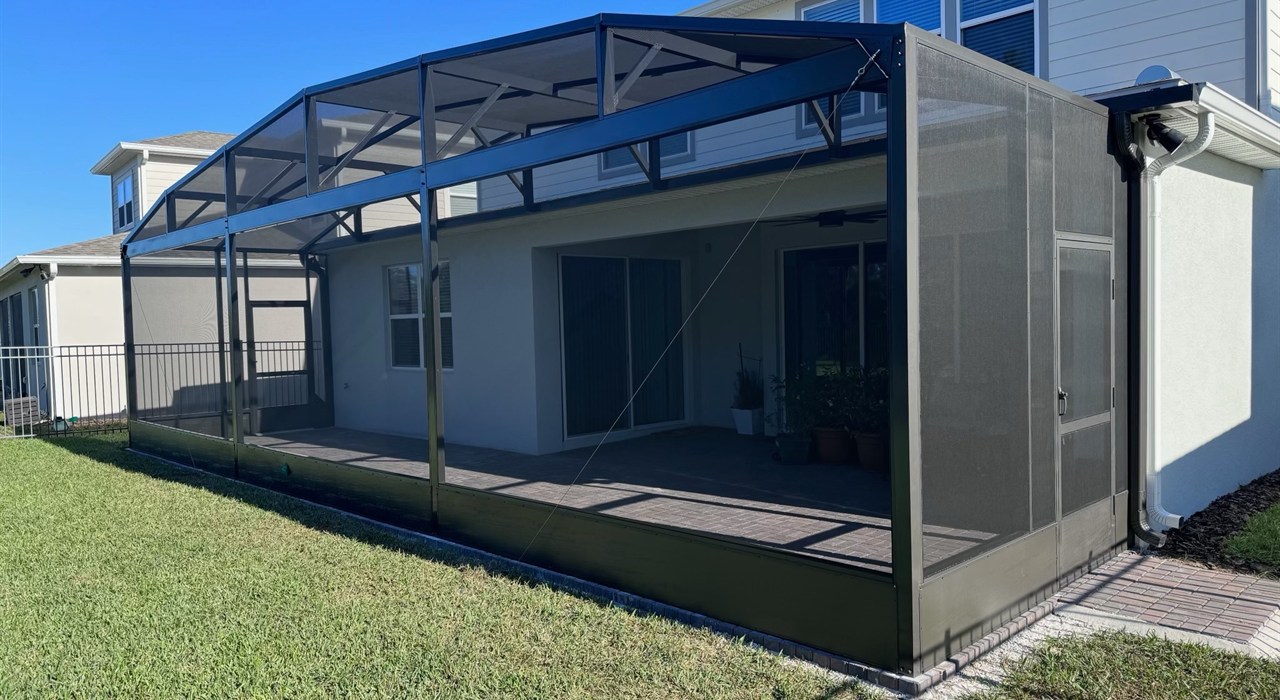
Frequently Asked Questions
How often should I schedule lanai screen maintenance in florida homeowners typically need?
Plan for quarterly lanai screen maintenance in florida tasks – a full cleaning and inspection once every three months, timed to Florida’s seasonal shifts. The dry season (Q1) and post-storm period (Q4) are the most intensive windows. Summer (Q3) requires monthly visual checks and storm prep but less hands-on cleaning. This schedule catches issues at the lowest-cost moment and keeps the enclosure clean year-round.
What’s the right way to learn how to clean lanai screen without damaging it?
The key to knowing how to clean lanai screen correctly is using low pressure and soft materials. A garden hose on soft spray, a soft-bristle brush, and a vinegar-water solution handle 95% of cleaning needs without risking damage to the mesh or frame. Avoid anything abrasive on the screen and avoid high-pressure nozzles that can compromise the spline holding the screen in place.
What screen enclosure care tips matter most in Florida’s coastal areas?
The most important screen enclosure care tips for coastal properties near Tampa Bay are: rinse with fresh water monthly to remove salt residue, inspect and replace fasteners annually with stainless steel alternatives, and watch for white oxidation on the frame that indicates accelerated corrosion. Salt air areas in Apollo Beach and Ruskin require more frequent attention than inland communities like Brandon or Plant City.
Which lanai repair tips address the most common problems homeowners encounter?
The most commonly needed lanai repair tips involve three situations: patching small screen tears immediately before they expand, replacing corroded base rail screws before they fail structurally, and re-caulking the roof-to-frame junction before rainy season. These three repairs together prevent the majority of the escalating damage patterns we see across Hillsborough County every year.
When is a full replacement more practical than ongoing lanai screen maintenance in florida repairs?
A full replacement becomes more practical than continued lanai screen maintenance in florida repair work when the aluminum frame shows bowing at multiple points, when joint separation has occurred at more than two or three connections, or when the structure is more than 25-30 years old with no documented maintenance history. A professional inspection will clarify which path makes economic sense for your specific enclosure.
Conclusion
Consistent lanai screen maintenance in florida on a quarterly schedule – combined with the right DIY cleaning approach and knowing when to call a professional for lanai repair tips that go beyond a homeowner’s scope – is what turns a 10-year enclosure into a 25-year one. At Affordable Lanai, we’ve completed over 1,000 enclosure installations and repairs across Hillsborough, Manatee, and Polk County with more than 15 years of Florida-specific experience. If you want a professional to assess your enclosure or take over your lanai screen maintenance in florida schedule, contact Affordable Lanai today for a free on-site evaluation and estimate within 12-24 hours.