
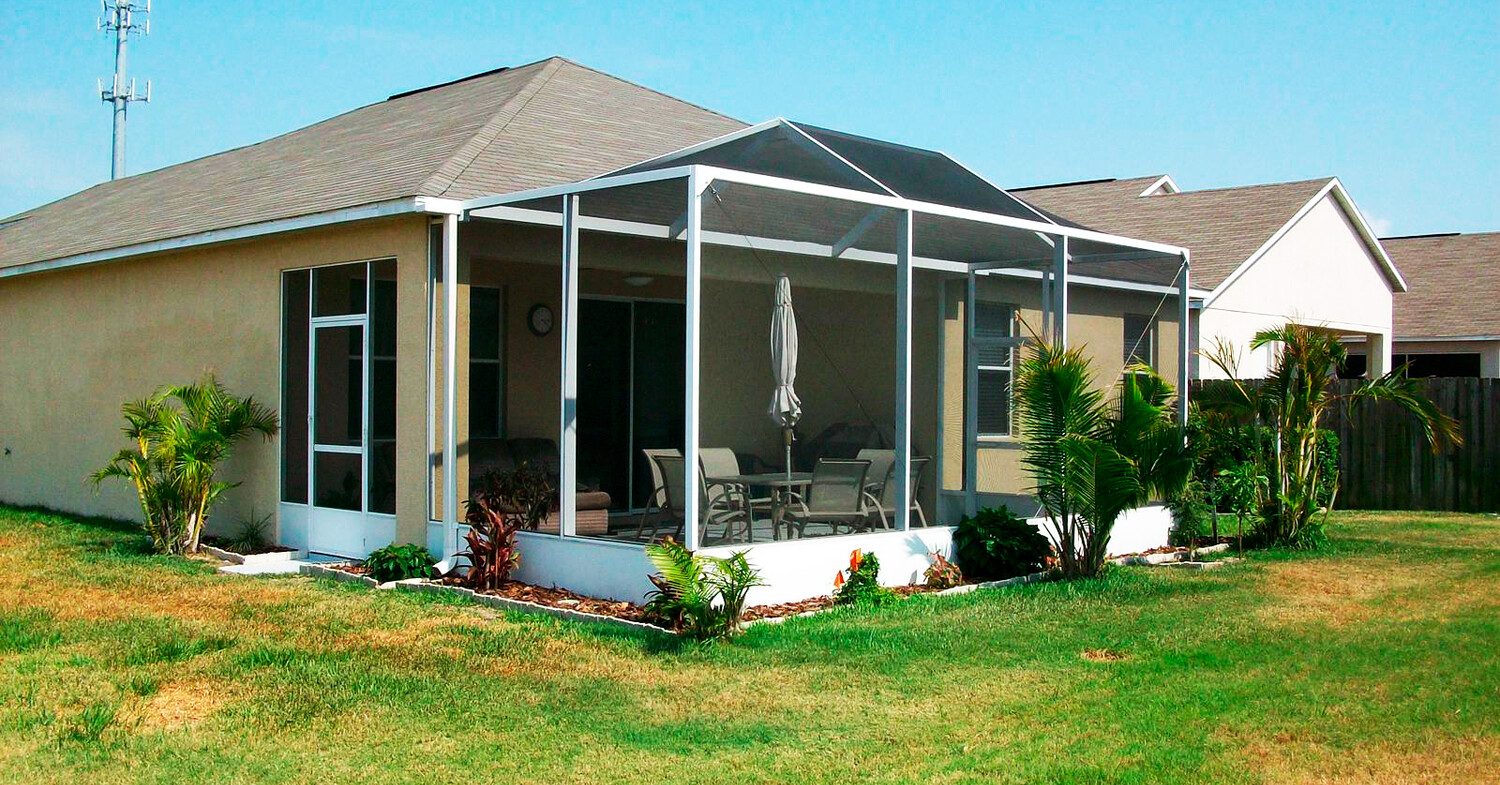
Building your own screen enclosure sounds like a great way to save money on one of the biggest home improvement projects Florida homeowners tackle. The materials are available at most home improvement stores, YouTube is full of tutorials, and the idea of saving thousands on labor is tempting. But a DIY screen enclosure vs professional Florida installation involves more than just stretching mesh across a frame. Before you commit to either path, understanding the real costs, risks, and results will help you avoid expensive mistakes.
This guide breaks down the honest comparison between a DIY screen enclosure vs professional Florida approach and hiring a licensed contractor for your screen enclosure project. We cover everything from materials and tools to permits, building codes, and long-term durability so you can make the right decision for your home and budget.
A DIY screen enclosure vs professional Florida project can save 30 to 50 percent on labor costs upfront, but most DIY installations lack proper engineering, miss permit requirements, and develop structural problems within a few years. Professional screen enclosure installation in Florida includes engineering for wind loads, permit handling, and warranties that protect your investment. For most homeowners, hiring a professional screen enclosure contractor delivers better long-term value and avoids the hidden costs of DIY screen enclosure Florida mistakes.
Table of Contents
- Why Florida Homeowners Consider DIY Screen Enclosures
- True Cost Comparison Between DIY and Professional
- Florida Building Codes and Permit Requirements
- Wind Load Engineering and Why It Matters
- Materials and Quality Differences
- Common DIY Screen Enclosure Mistakes in Florida
- Warranty and Insurance Considerations
- When DIY Makes Sense and When It Does Not
- Frequently Asked Questions
- Conclusion
Why Florida Homeowners Consider DIY Screen Enclosures
The appeal of a DIY screen enclosure vs professional Florida installation is straightforward. Labor typically accounts for 40 to 60 percent of a screen enclosure project cost, and eliminating that expense can mean saving $3,000 to $10,000 or more depending on the size of the enclosure. For handy homeowners who enjoy construction projects, the idea of building their own lanai or pool cage feels achievable.
Online resources have made DIY screen enclosure Florida projects seem more accessible than ever. Video tutorials walk through every step from setting posts to stretching screen mesh, and prefabricated screen enclosure kits are available at several home improvement retailers. These kits include pre-cut aluminum framing, screen rolls, spline, and fasteners packaged with assembly instructions.
However, the gap between a YouTube tutorial and a structurally sound, code-compliant screen enclosure in Florida is wider than most homeowners realize. Florida’s building requirements are among the strictest in the country due to hurricane risk, and a screen enclosure that looks finished is not necessarily safe or legal. The professional screen enclosure contractor advantage becomes clear when you dig into the details of what a proper Florida installation requires.
True Cost Comparison Between DIY and Professional
A common mistake when comparing a DIY screen enclosure vs professional Florida project is looking only at material costs. Here is a more complete breakdown that includes the hidden expenses many DIY builders overlook.
Materials for a basic 12 by 20 foot screen enclosure kit cost $1,500 to $3,500 depending on the kit quality and supplier. This includes aluminum framing, screen mesh, spline, screws, and base channel. What it does not include is concrete for footings, anchor bolts, a screen door assembly, and any structural reinforcements needed for your specific site.
Tools you may need to purchase or rent include a miter saw with an aluminum-cutting blade, a screen rolling tool, a power drill with impact driver capabilities, a level, and safety equipment. If you do not already own these tools, add $300 to $800 to the project cost. A professional screen enclosure contractor already owns commercial-grade versions of all these tools and has the experience to use them efficiently.
Engineering plans are required in most Florida counties for new screen enclosures. Having an engineer stamp a set of plans for your DIY project typically costs $500 to $1,500. Professional contractors include engineering in their project cost because they work with engineers regularly and use pre-engineered systems that already have Florida product approvals.
Permit fees in Florida range from $150 to $500 depending on the county and project size. The permit itself costs the same whether you build it yourself or hire a contractor. But a DIY screen enclosure vs professional Florida permit process often takes longer for homeowners because they are less familiar with the submission requirements and may need to resubmit corrected documents.
When you add all the hidden costs to a DIY project, the actual savings compared to hiring a professional screen enclosure contractor typically drop to 15 to 25 percent rather than the 40 to 60 percent most homeowners initially expect. And that calculation does not account for the value of your time, which can easily total 60 to 100 hours for a first-time builder.
Florida Building Codes and Permit Requirements
Florida building codes are not optional, and they apply equally to DIY screen enclosure vs professional Florida projects. Every new screen enclosure in the state requires a building permit, and building without one carries real consequences.
The permit process requires submitting construction plans that show the enclosure dimensions, footing details, member sizes, connection details, and wind load calculations. These plans must be signed by a Florida-licensed engineer unless the enclosure system has an existing Florida product approval that covers your specific configuration.
Inspections are required at multiple stages. A typical DIY screen enclosure Florida project requires a footing inspection before pouring concrete, a framing inspection after the structure is up but before screening, and a final inspection after the project is complete. Failing an inspection means correcting the deficiency and scheduling a reinspection, which adds time and sometimes significant cost if structural changes are needed.
Building without a permit is a risk that many DIY builders take, and it is a serious mistake. Unpermitted structures can result in fines, forced removal, complications during home sales, and denial of insurance claims if the unpermitted structure causes or contributes to property damage. Professional screen enclosure contractors handle the entire permit process as part of their service, which is one of the most valuable aspects of hiring a licensed professional screen enclosure contractor for your Florida project.
Wind Load Engineering and Why It Matters
This is where the DIY screen enclosure vs professional Florida comparison gets most serious. Florida requires screen enclosures to be engineered for specific wind speeds based on location, exposure category, and building height. In most of the Tampa Bay area, screen enclosures must withstand minimum wind speeds of 130 to 150 mph depending on the exact location and exposure category.
Wind load engineering determines the size and spacing of every structural member, the type and spacing of every connection, and the depth and width of every concrete footing. It is not something you can estimate or copy from a generic plan. The engineering must be specific to your site, your enclosure dimensions, and your local wind speed requirements.
A screen enclosure that is not properly engineered for Florida wind loads is dangerous during storms. Undersized members can buckle, connections can pull apart, and footings can lift out of the ground. The debris from a failing screen enclosure becomes a projectile hazard for your home and your neighbors. This is why Florida takes wind load compliance seriously and why inspectors check engineering documentation carefully.
Professional screen enclosure contractors use pre-engineered systems that have been tested and approved under the Florida Building Code. These systems come with product approval numbers and engineering documentation that covers a range of standard configurations. When a project falls outside the standard parameters, the contractor works with their engineer to create a site-specific design. This level of engineering is extremely difficult and expensive for a DIY builder to replicate on their own.
Materials and Quality Differences
The materials available to DIY builders at retail stores are generally lower quality than what professional contractors use. This is not because retailers are selling bad products. It is because the commercial-grade materials that professionals use are typically only available through contractor supply channels.
Aluminum framing is the most important example. Retail screen enclosure kits often use thinner-wall aluminum extrusions that meet minimum structural requirements but offer less margin for error. Professional screen enclosure contractors typically use heavier-gauge aluminum with better powder coating and tighter manufacturing tolerances. The difference affects both strength and longevity, especially in pool screen enclosure applications where moisture and chemical exposure are constant.
Screen mesh quality also varies significantly. Retail screen mesh is adequate for indoor or light-duty applications, but it may not hold up as well as contractor-grade mesh in Florida’s demanding outdoor environment. Professional-grade fiberglass screen uses higher-quality resins and coatings that resist UV degradation and maintain their color and flexibility longer.
Fastener quality matters enormously in Florida’s coastal and semi-coastal climate. Professional contractors use stainless steel or high-quality coated fasteners that resist corrosion for decades. Retail kits often include zinc-plated fasteners that can start showing rust within one to two years in Florida’s humid environment. Replacing corroded fasteners after installation is labor-intensive and often requires partial disassembly of screen panels.
Common DIY Screen Enclosure Mistakes in Florida
After years of working in the Tampa Bay market, professional contractors see the same DIY screen enclosure Florida mistakes repeatedly. Understanding these common failures helps homeowners avoid them, whether they decide to build themselves or hire a professional.
Undersized footings are the most common structural mistake. Florida’s sandy soil requires larger and deeper footings than many DIY builders expect. A footing that works in clay soil up north may fail completely in Florida sand, especially under wind load. The result is a DIY screen enclosure Florida homeowners regret because it shifts, tilts, or lifts during storms.
Improper screen tensioning is the most common cosmetic mistake. Screen that is too loose sags and collects water during rain. Screen that is too tight can tear during temperature changes as the aluminum frame expands and contracts. Finding the right tension requires experience and feel that takes time to develop. A DIY screen enclosure vs professional Florida finish quality difference is often most visible in the screen tension.
Incorrect spline sizing causes screen panels to pull free from the frame. Each screen type and channel size requires a specific spline diameter. Using the wrong size results in panels that seem secure at first but gradually work loose, especially in areas that receive afternoon sun where the spline contracts as it heats and cools daily.
Missing or inadequate flashing where the enclosure meets the house is another common issue. Water intrusion at the house-to-enclosure connection can cause fascia rot, stucco damage, and even interior water damage. Professional contractors use proper flashing details and sealants to create a watertight connection. This detail alone can prevent thousands of dollars in home repair costs down the road. You can contact Affordable Lanai for a professional assessment if you are unsure about your existing enclosure’s connection details.
Warranty and Insurance Considerations
The DIY screen enclosure vs professional Florida warranty comparison is straightforward. A DIY project comes with no warranty beyond the manufacturer’s limited warranty on individual materials, which typically covers only manufacturing defects and not installation-related failures.
Professional screen enclosure contractors provide project warranties that cover both materials and workmanship. Affordable Lanai offers a 10-year warranty on materials and a 1-year warranty on labor, which covers the critical first year when installation-related issues typically surface. This warranty protection is not available with a DIY installation.
Insurance is another important consideration. If your DIY screen enclosure fails during a storm and causes damage to your home or a neighbor’s property, your homeowners insurance may not cover the damage if the enclosure was built without a permit or did not meet building code requirements. A professionally installed, permitted, and code-compliant enclosure is fully covered under standard Florida homeowners insurance policies.
Workers compensation is relevant if you hire helpers for your DIY project. If a friend or family member is injured while helping you build your screen enclosure, you could be liable for their medical expenses and lost wages. The Florida Bar’s guidelines on contractor hiring emphasize the importance of working with properly insured professionals for construction projects. Licensed contractors carry workers compensation insurance that protects everyone on the job site.
When DIY Makes Sense and When It Does Not
There are situations where a DIY screen enclosure vs professional Florida approach can work. Small, simple projects like rescreening an existing aluminum frame with standard fiberglass mesh is a reasonable DIY project for handy homeowners. The frame is already engineered and permitted, and replacing screen panels is primarily a matter of patience and technique rather than structural knowledge. This DIY screen enclosure Florida task saves $500 to $2,000 compared to hiring a professional for rescreening alone.
Building a small freestanding screen room over an existing concrete patio can also be a workable DIY project if you use a pre-engineered kit that includes Florida product approvals. These kits are designed for specific dimensions and come with engineering documentation that satisfies permit requirements. The key is choosing a kit that matches your actual dimensions rather than trying to modify a kit to fit a non-standard space.
A DIY approach does not make sense for large screen enclosures, pool cages, or any project that requires custom engineering. The risk of structural failure, code violations, and long-term durability issues is too high relative to the labor savings. For these projects, the DIY screen enclosure vs professional Florida equation clearly favors hiring a professional screen enclosure contractor as the smarter investment. You can use the online Build and Price tool to get a quick estimate before scheduling a full consultation.
Frequently Asked Questions
How much can I save by building my own screen enclosure in Florida?
The apparent savings from a DIY screen enclosure vs professional Florida installation are 30 to 50 percent on labor costs. However, when you add engineering plans, tools, permit fees, and the cost of correcting mistakes, actual savings typically drop to 15 to 25 percent. For a $12,000 professional installation, realistic DIY savings are $1,800 to $3,000 after all hidden costs. Most homeowners find that the time investment of 60 to 100 hours makes the per-hour savings quite low.
Do I need a permit for a DIY screen enclosure in Florida?
Yes. Florida requires building permits for all new screen enclosures regardless of who builds them. The permit process requires engineered construction plans, product approval documentation, and multiple inspections. Building without a permit can result in fines, forced removal, problems selling your home, and denied insurance claims. Professional screen enclosure contractors handle the entire permit process as part of their service.
Can I use a screen enclosure kit for a Florida installation?
Some screen enclosure kits are suitable for Florida if they include Florida product approvals and engineering documentation for your specific wind zone. Not all kits sold at home improvement stores meet Florida building code requirements. Before purchasing a kit for a DIY screen enclosure Florida project, verify that it has a valid Florida product approval number and that the approved configuration matches your planned dimensions and site conditions.
What happens if my DIY screen enclosure fails during a storm?
If your DIY screen enclosure was built without a permit or does not meet building code requirements, your homeowners insurance may deny any claims related to its failure. You could also be liable for damage to neighboring properties caused by debris from your enclosure. A properly permitted and code-compliant professional installation is covered under standard Florida homeowners insurance policies.
Is rescreening a good DIY project in Florida?
Yes. Rescreening an existing aluminum frame is one of the most appropriate screen enclosure DIY tasks for handy homeowners. The structural frame is already engineered and permitted, so the work involves removing old screen and spline, inspecting the frame for damage, and installing new screen panels. This project saves $500 to $2,000 compared to professional rescreening and does not carry the same structural risks as building a new enclosure from scratch.
How do I find a reliable screen enclosure contractor in Florida?
Look for contractors licensed with the Florida Department of Business and Professional Regulation. Verify that they carry both general liability and workers compensation insurance. Ask for references from recent projects in your area. Compare at least three quotes and pay attention to the specifics of materials, engineering, and warranty terms rather than just the bottom line price.
Conclusion
The DIY screen enclosure vs professional Florida decision ultimately comes down to risk versus reward. Small projects like rescreening an existing frame are reasonable DIY tasks for experienced homeowners. But for new construction, especially pool cages and large lanai enclosures, the engineering requirements, permit process, and long-term durability demands of Florida’s climate and building codes make professional installation the smarter choice for most homeowners.
Affordable Lanai brings over 15 years of experience and more than 2,000 screen enclosures installed across Hillsborough, Manatee, and Polk counties. With a 10-year warranty on materials and free estimates, the team makes it easy to compare the professional option against a DIY approach. Call (813) 777-5665 or visit the website to get started with your screen enclosure project today.