
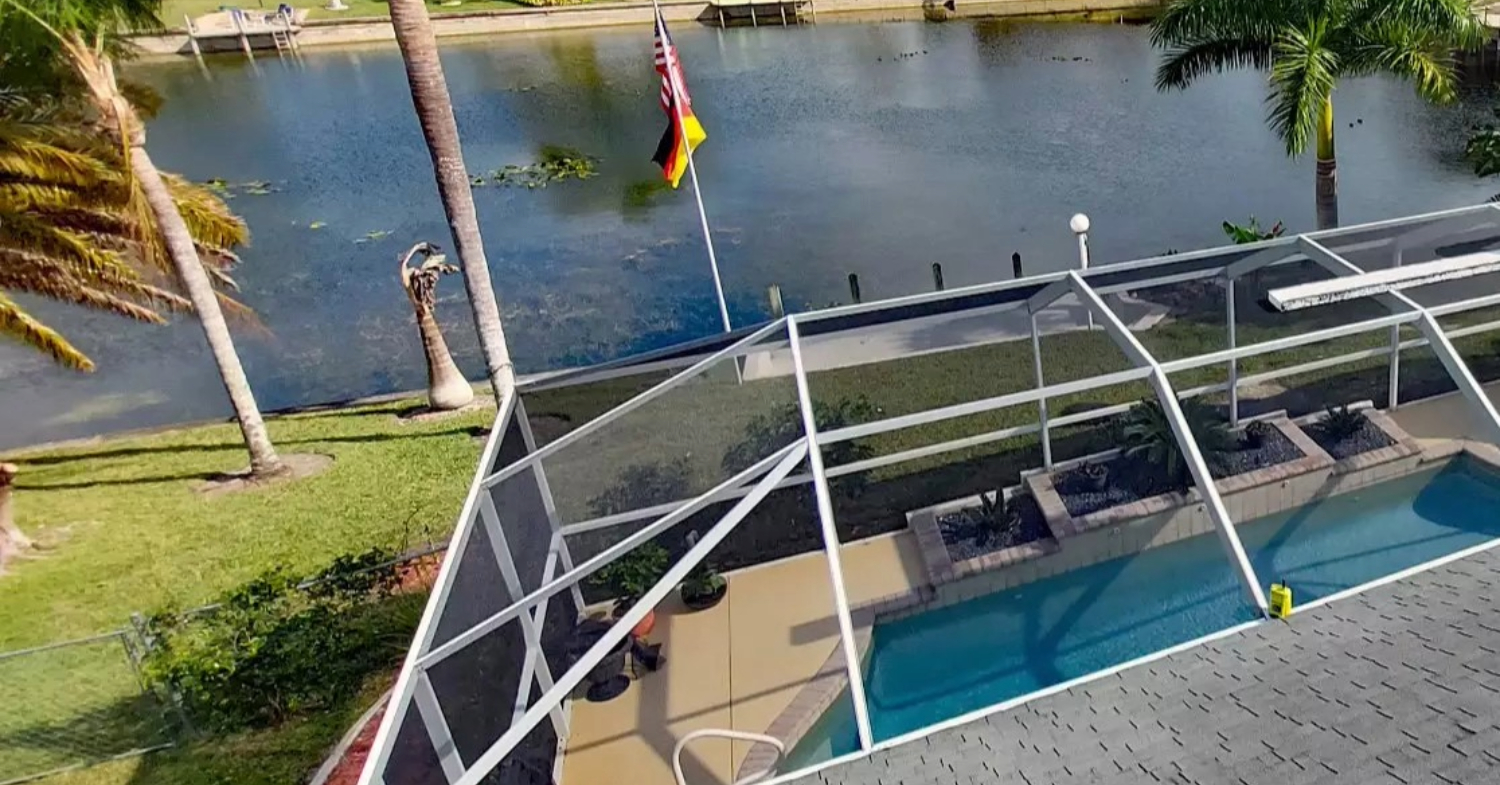
Privacy screen options for pool enclosure projects help Florida homeowners make their backyard feel more comfortable, protected, and personal. A standard pool enclosure keeps out insects and debris, but it does not always block views from neighbors, roads, second-story windows, or nearby patios. In many Hillsborough County neighborhoods, homes sit close together, so privacy matters just as much as bug protection.
The best privacy screen options for pool enclosure designs do not always require covering every panel. In many cases, the right solution is targeted. One side may need solar privacy screen. Another side may need solid lower panels. A street-facing area may need decorative lattice or landscaping. This guide explains the most useful privacy screen options for pool enclosure projects and how to choose the right mix for your home.
Quick Answer
The best privacy screen options for pool enclosure projects include solar screen, solid aluminum lower panels, decorative lattice, taller enclosure walls, landscaping outside the enclosure, and hurricane-rated screen on exposed sides. Most homeowners get the best results by using privacy materials only where they are needed.
Why Pool Enclosure Privacy Matters
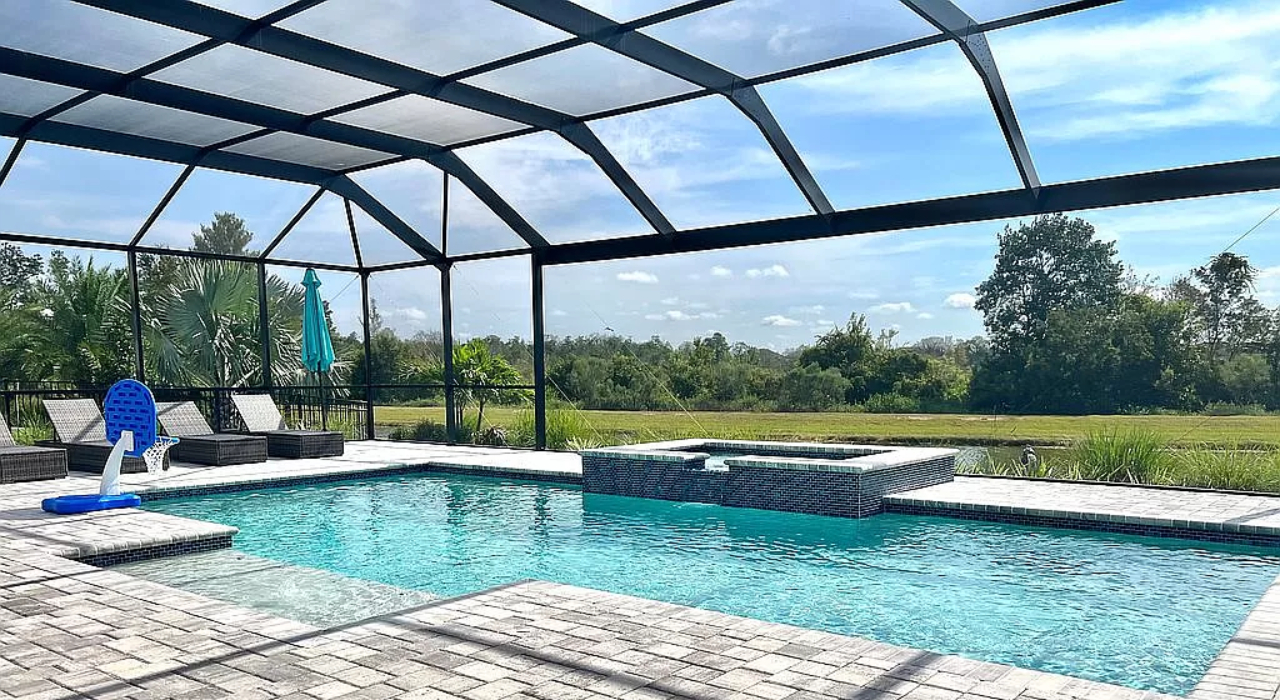
Privacy screen options for pool enclosure projects are especially important in Florida neighborhoods where homes are close together. A pool area may look beautiful, but if it feels exposed, the family may not use it as often. Privacy affects comfort, confidence, and daily enjoyment.
In places like Brandon, Riverview, Valrico, Fish Hawk, Bloomingdale, Tampa, Apollo Beach, and Sun City Center, many pools are visible from neighboring yards or upper windows. Standard screen does not provide much visual separation. That is why privacy screen options for pool enclosure layouts should be discussed before the project begins.
Privacy can also help with wind, sun, and debris. Denser screen can reduce afternoon glare. Solid panels can block lower views and wind-driven rain. Landscaping can soften the enclosure and make the pool area feel less exposed. Affordable Lanai installs pool screen enclosures and lanai screen enclosures with privacy, comfort, and Florida weather in mind.
Solar Screen for Daytime Privacy
Solar screen is one of the most common privacy screen options for pool enclosure projects because it solves two problems at once. It reduces heat and glare while also making it harder to see into the enclosure during the day.
The privacy effect works best when the outside is brighter than the inside. During daylight, people outside the enclosure usually see less detail through the solar screen. From inside the pool area, homeowners can still see out, but the view may be darker than standard screen.
Solar screen is especially helpful on west-facing and southwest-facing panels where Florida afternoon sun is strongest. It can make the pool deck more comfortable and protect furniture, cushions, and finishes from heavy UV exposure.
Among privacy screen options for pool enclosure designs, solar screen is a strong choice when the goal is privacy, shade, and heat reduction. The main trade-off is reduced airflow, so many homeowners install it only on exposed sides.
Solid Aluminum Privacy Panels
Solid aluminum panels are one of the strongest privacy screen options for pool enclosure projects. They block visibility completely where installed. These panels are often used on the lower two to three feet of the enclosure, especially along neighbor-facing or street-facing sides.
Solid lower panels create a privacy knee-wall effect. They help block views at seating height, reduce debris near the floor, and make the enclosure feel more finished. They can also protect lower screen sections from lawn equipment, pets, and wind-driven debris.
Full-height solid panels can create stronger privacy, but they also reduce airflow and natural light. For most homeowners, partial solid panels are the better balance. They provide privacy where it matters without making the pool enclosure feel closed off.
When comparing privacy screen options for pool enclosure sides that face roads or close neighbors, solid lower panels are one of the most dependable choices.
Decorative Lattice Panels
Decorative lattice panels are another option for homeowners who want privacy without a fully solid barrier. Lattice provides partial screening while adding visual detail. It can feel softer and more designed than a flat solid panel.
Lattice works especially well when paired with landscaping. A lattice panel with shrubs or palms outside the enclosure can create layered privacy. The panel provides immediate screening, while the plants soften the view over time.
Decorative lattice is not as private as solid aluminum or dense solar screen, but it can be a good fit for seating areas, street-facing sides, or homeowners who want more visual detail. For privacy screen options for pool enclosure designs that need style and function, lattice is worth considering.
No-See-Um Screen and Privacy
No-see-um screen is not mainly a privacy product, but it can provide slightly more visual filtering than standard screen because the mesh is tighter. It is best known for blocking tiny biting insects that can pass through standard screen.
For homeowners who need both bug control and light privacy, no-see-um screen can be part of the plan. It will not provide the same visual block as solar screen, but it gives better insect protection while still keeping the enclosure open and breathable.
When comparing privacy screen options for pool enclosure projects, no-see-um screen works best on sides where insects are the main concern and privacy is secondary.
Using Height for Better Privacy
Privacy screen options for pool enclosure projects are not only about screen material. The height and shape of the enclosure also matter. A taller enclosure can change the sightlines from neighboring yards and windows.
A higher side wall or taller roofline can make the pool area feel more private and open at the same time. This is one reason some homeowners prefer taller pool cages instead of low-profile enclosures. The interior feels larger, and the added height can reduce the feeling of being overlooked.
Height must still follow building rules, HOA guidelines, and wind-load requirements. A good contractor should review the home, pool location, roofline, setbacks, and neighborhood rules before recommending height changes.
Combining Screen With Landscaping
Some of the best privacy screen options for pool enclosure projects combine screen materials with landscaping. A solar screen panel can provide immediate privacy, while plants outside the enclosure add softness, color, and height.
Florida-friendly privacy plants may include clusia, podocarpus, areca palm, viburnum, or other options suited to the property’s sun and irrigation conditions. The goal is not to create a heavy wall of plants. The goal is layered privacy that feels natural.
Plants should not be placed too close to the enclosure frame. Homeowners still need space for cleaning, maintenance, and future rescreening. A good privacy plan leaves enough room for both plant growth and service access.
Wind and Weather Protection
Privacy screen options for pool enclosure projects can also help with wind. Solar screen reduces airflow because of its dense weave. Solid lower panels block wind more directly near the floor. Hurricane-rated screen can offer better storm resistance on exposed sides.
The goal is not to stop all airflow. A pool enclosure should still feel open and comfortable. Instead, privacy materials should be used on the sides where wind, rain, or debris are most noticeable.
For homes near open fields, water, or storm-exposed areas, privacy screen options for pool enclosure designs may include both solar screen and hurricane-rated materials. This can improve comfort during normal weather and support better durability during stronger wind events.
Where to Install Privacy Screen
Placement is one of the most important decisions. Privacy screen options for pool enclosure projects work best when they are targeted. Covering every panel may reduce airflow too much and make the space darker than expected.
Start by identifying the exposed sides. Which side faces the neighbor? Which side faces the street? Which side gets the hottest sun? Which side has the best view? The best view side may need standard or no-see-um screen instead of privacy material.
| Panel Location | Main Concern | Recommended Option |
|---|---|---|
| Neighbor-facing side | Visual privacy | Solar screen or solid lower panels |
| Street-facing side | Privacy from passersby | Solar screen, lattice, or solid lower panels |
| West-facing side | Heat and glare | Solar screen |
| Wind-facing side | Storm comfort and debris | Solar screen, solid panels, or hurricane-rated screen |
| View-facing side | Preserve visibility | Standard or no-see-um screen |
HOA and Permit Considerations
Before choosing privacy upgrades, homeowners should also review local permit requirements. Hillsborough County lists residential screen enclosure and glass room additions, including lanais and similar structures, as projects with specific permit submission requirements. Review Hillsborough County screen enclosure permit guidance before finalizing your project plan.
Privacy screen options for pool enclosure projects may need HOA approval. Some communities have rules about enclosure color, height, roof style, screen type, and whether privacy panels must look uniform from outside.
County permits are also important. Screen enclosures generally need proper permitting, and privacy upgrades should still meet local building requirements. Affordable Lanai handles permit coordination as part of the project process, which helps homeowners avoid mistakes and delays.
Before finalizing privacy screen options for pool enclosure designs, homeowners should check HOA rules and confirm the project scope with the contractor.
Privacy Option Comparison
| Privacy Option | Best For | Main Benefit | Trade-Off |
|---|---|---|---|
| Solar screen | Sun-facing and neighbor-facing panels | Privacy, heat reduction, and glare control | Less airflow |
| Solid lower panels | Street and neighbor exposure | Strong privacy at seating height | Less open appearance |
| Lattice panels | Decorative screening | Privacy with visual detail | Partial privacy only |
| Landscaping | Natural privacy | Softens the enclosure | Needs maintenance and growth time |
| Hurricane-rated screen | Wind-exposed sides | Stronger storm resistance | Higher material cost |
How Affordable Lanai Helps
Affordable Lanai helps homeowners choose privacy screen options for pool enclosure projects based on the actual property. The team reviews neighbor views, sun direction, wind exposure, HOA concerns, pets, and how the family uses the pool area.
Affordable Lanai is powered by American Home Center, License SCC131153480. The company uses US-made materials, handles permits, and offers pool screen enclosures, lanai enclosures, rescreening, privacy screen options, and related outdoor projects.
To request a privacy-focused estimate, visit the Affordable Lanai contact page.
Frequently Asked Questions
What is the best privacy screen for pool enclosures?
Solar screen is one of the best options because it reduces visibility, heat, and glare. Solid lower panels provide stronger privacy at seating height.
Can I add privacy screen to only one side?
Yes. Many homeowners add privacy screen only on neighbor-facing, street-facing, or sun-facing panels while keeping other sides more open.
Does privacy screen reduce airflow?
Yes. Denser materials reduce airflow more than standard screen, so targeted placement is usually better than using privacy screen everywhere.
Does privacy screen help with wind?
Yes. Solar screen, solid lower panels, and hurricane-rated screen can reduce wind movement on exposed sides of the enclosure.
Do privacy screen upgrades need HOA approval?
Some HOAs may require approval for privacy screen, solid panels, height changes, or exterior appearance changes, so homeowners should check before installation.
Conclusion
Privacy screen options for pool enclosure projects can make a Florida pool area feel more comfortable, private, and protected. Solar screen, solid panels, lattice, landscaping, taller framing, and hurricane-rated screen can all help when used in the right places.
Affordable Lanai helps Hillsborough County homeowners design pool enclosures that balance privacy, airflow, insect protection, shade, and storm readiness. To start planning, visit the contact page or call (813) 777-5665.