
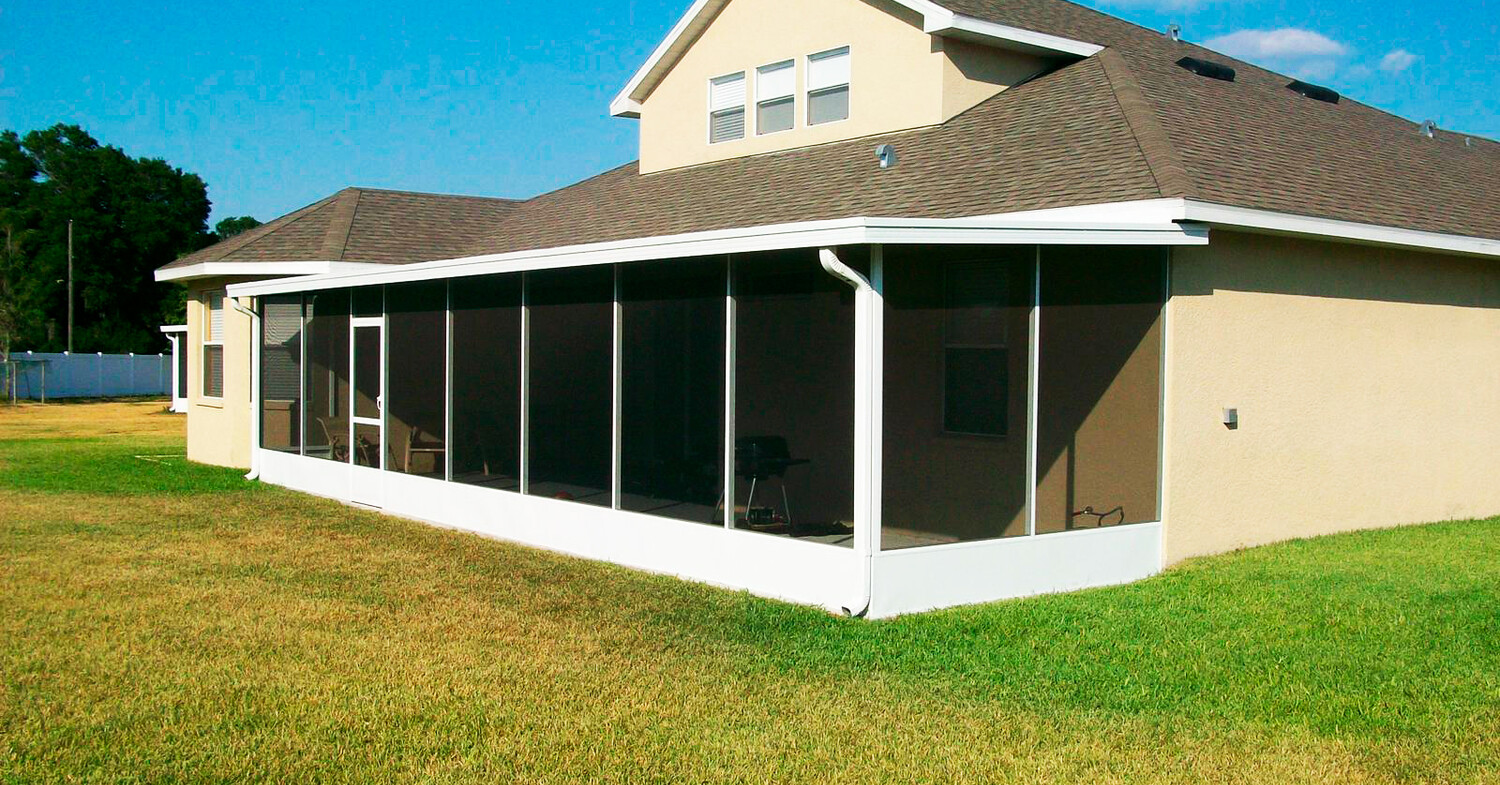
Orlando homeowners know the challenge of enjoying their backyards without battling mosquitoes, love bugs, and the relentless Florida sun. A lanai screen enclosure in Orlando FL gives you an outdoor living orlando families love that stays comfortable year-round. You get fresh air, shade, and protection from insects without sacrificing the open-air feeling that makes Florida living special.
Finding the right orlando lanai installer for your lanai screen enclosure in Orlando FL is just as important as choosing the right materials. This guide walks you through everything you need to know, from what to expect during installation to how much a quality enclosure costs in the Orlando market. Whether you are building from scratch or replacing an aging screen room, the information here will help you make a smart investment.
A lanai screen enclosure in Orlando FL typically costs between $5,000 and $18,000 depending on size, materials, and roof style. Professional installation takes two to five days. Look for a qualified orlando lanai installer with Florida-specific experience, proper licensing, and warranties that cover both materials and labor. Aluminum frames with charcoal screen mesh and a choice of white or bronze finish are the most popular options in the Orlando area.
Table of Contents
- Why Orlando Homeowners Need a Lanai Screen Enclosure
- Types of Lanai Screen Enclosures Popular in Orlando
- Cost Factors for Lanai Enclosures in the Orlando Market
- What to Look for in an Orlando Lanai Contractor
- Permits and Building Codes in Orlando
- Best Materials for Orlando’s Climate
- How Long Does Installation Take?
- Maintaining Your Lanai Screen Enclosure in Central Florida
- Common Mistakes to Avoid When Hiring a Contractor
- Frequently Asked Questions
- Conclusion
Why Orlando Homeowners Need a Lanai Screen Enclosure
Orlando sits in the heart of Central Florida, where subtropical weather creates both incredible outdoor living opportunities and serious pest challenges. The city averages over 230 days of sunshine per year, which means residents have more opportunities to use their outdoor spaces than homeowners in almost any other U.S. city. But that sunshine comes with mosquitoes, no-see-ums, love bugs, and palmetto bugs that can make an unscreened patio unusable during peak seasons.
A screen enclosure orlando florida homeowners invest in solves this problem completely. The charcoal screen mesh blocks insects while allowing 70 to 80 percent of natural light and breeze to pass through. You get the feeling of being outdoors without the annoyances. For families with children and pets, the enclosure also creates a safe outdoor living orlando area where kids can run freely without wandering into the yard unsupervised.
Property value is another strong motivator. According to real estate agents in the Orlando metro area, a well-built lanai screen enclosure can add 5 to 15 percent to the appraised value of a home. In a market where outdoor living orlando buyers prioritize as a major selling point, having a finished lanai with a quality screen enclosure sets your home apart from neighbors who only have open patios or bare concrete slabs.
For homeowners who also want their pool protected, pool screen enclosures offer similar benefits around your swimming area. For anyone seeking outdoor living orlando spaces, the location also means homeowners deal with afternoon thunderstorms nearly every day during summer. A lanai enclosure with a solid aluminum pan roof or a combination of pan roof and screen roof keeps the rain out while still allowing airflow. This means your outdoor furniture, grill, and electronics stay dry even during sudden downpours.
Types of Lanai Screen Enclosures Popular in Orlando
Several screen enclosure orlando florida styles are common across the metro area. Each has its own advantages depending on your budget, yard layout, and how you plan to use the space.
The screen-only enclosure is the most affordable option. It uses an aluminum frame with screen mesh on all sides and a screen roof. This design maximizes airflow and natural light while keeping insects out. It works well for homeowners who want a simple, open-air room for dining, relaxing, or watching the kids play. The screen roof provides minimal shade but does reduce direct sun exposure somewhat.
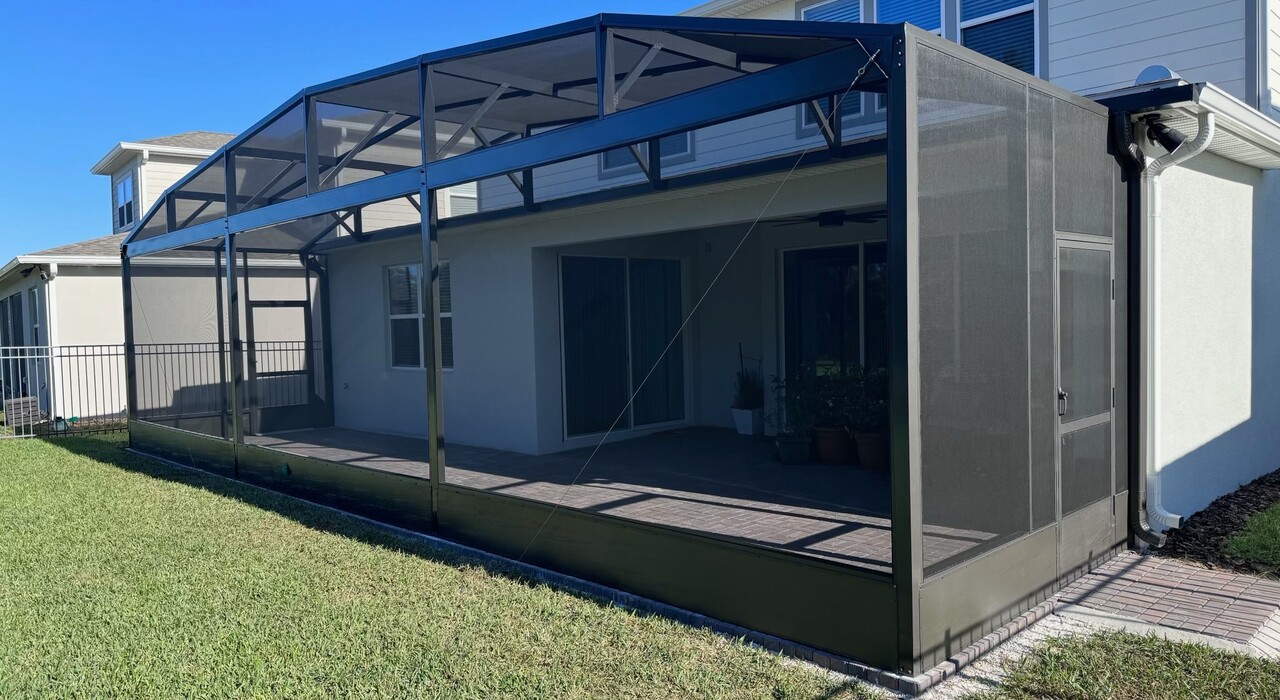
The pan roof enclosure uses solid aluminum panels on the roof instead of screen. This creates a covered outdoor living orlando families enjoy that stays dry during rain and provides much better shade during hot afternoons. Pan roof enclosures are more expensive but offer significantly more comfort and usability in Orlando’s climate. Many homeowners choose a combination roof with pan panels over the main living area and screen panels on the sides for airflow.
The gable roof enclosure features a peaked roofline that adds architectural interest and extra headroom in the center of the space. This style is popular on larger homes and creates a more dramatic visual impact from both inside and outside. Gable roof enclosures cost more than flat or shed-style designs but add more to the home’s curb appeal and perceived value.
Mansard-style enclosures use a combination of solid roof panels at the peak and screened walls, creating a look similar to a traditional room addition. This design offers excellent rain protection and a finished appearance that blends seamlessly with most Orlando home architectures. It is the most common style for lanai screen enclosures installed in newer subdivisions, and any experienced orlando lanai installer will offer this option.
Cost Factors for Lanai Enclosures in the Orlando Market
The cost of a lanai screen enclosure in Orlando FL varies significantly based on several factors. Understanding these variables helps you set a realistic budget and compare orlando lanai installer quotes effectively.
Size is the biggest cost driver. A small 10 by 12 foot enclosure might cost $4,000 to $6,000, while a large 20 by 40 foot enclosure can run $12,000 to $20,000 or more. Most Orlando homes fall somewhere in the middle, with a typical 15 by 25 foot lanai enclosure costing $7,000 to $13,000 installed.
Roof style affects price significantly. A flat screen roof is the most economical. A pan roof adds $2,000 to $5,000 depending on coverage area. A gable roof adds $3,000 to $8,000 due to the more complex engineering and additional materials required. The combination of roof styles, such as pan panels over the main area and screen on the sides, falls between these ranges.
Frame color and finish also factor into the price. White and bronze powder-coated aluminum frames are standard. White tends to cost slightly less because it is more commonly stocked by suppliers. Bronze and custom colors may carry a 5 to 10 percent premium. Both finishes hold up well in Orlando’s climate and resist corrosion for 15 to 25 years with minimal maintenance, making them the go-to choice for any screen enclosure orlando florida project.
Concrete work can add substantially to the project cost. If your lanai area does not already have a concrete slab, pouring one adds $6 to $12 per square foot. Many Orlando homes built in the last 20 years come with a basic concrete patio slab that can support a screen enclosure. Older homes may need concrete work or slab reinforcement before the enclosure frame can be installed.
What to Look for in an Orlando Lanai Contractor
Choosing the right contractor is the single most important decision you will make in your lanai screen enclosure in Orlando FL project. A quality installation lasts 15 to 25 years. A poor one can start showing problems within months. Choosing the right orlando lanai installer means evaluating these key factors.
Licensing and insurance are non-negotiable. Florida requires screen enclosure contractors to hold a valid contractor license issued by the state or the local county. In Orange County, where most of Orlando sits, the Building Division maintains a database of licensed contractors that you can search online. Verify that your contractor carries both general liability insurance and workers compensation coverage.
Experience with Florida-specific conditions matters more than general construction experience. Orlando’s soil, weather patterns, and building codes create unique challenges that out-of-state or inexperienced contractors may not understand. Look for companies with at least five years of experience as a screen enclosure orlando florida specialist. Ask for references from recent Orlando-area projects and actually call them.
Warranty terms vary widely between contractors. Some offer only a one-year warranty on labor with no material warranty. Better contractors provide extended warranties that cover both. Affordable Lanai, for example, offers a 10-year warranty on materials and a 1-year warranty on labor, giving homeowners peace of mind that their investment is protected. Ask every contractor you interview about their specific warranty terms and get them in writing before signing a contract.
The Orange County Building Division can help you verify a contractor’s licensing status and check for any complaints or violations. This free resource is worth using before you hand over a deposit to any contractor.
Permits and Building Codes in Orlando
Screen enclosures in Orlando require a building permit in most cases. The permitting process ensures your enclosure meets Florida Building Code requirements for wind load, structural integrity, and setback distances from property lines.
In Orange County, the standard permit application for a screen enclosure requires a site plan showing the enclosure’s location on your property, engineering drawings that demonstrate wind load compliance, and a product approval number for the enclosure system being used. Most professional contractors handle the entire permitting process as part of their service. Be cautious of any contractor who suggests building without a permit, as this can create serious problems when you sell your home or file an insurance claim.
Orlando falls within the Florida Building Code’s Wind Zone 2, which requires screen enclosures to withstand wind speeds of up to 130 mph. This wind rating affects the engineering of the frame, the spacing of vertical supports, and the type of fasteners used to anchor the structure to your home and concrete slab. Contractors must use Florida-approved products that carry a current Notice of Acceptance from the Florida Building Commission.
Setback requirements in Orlando typically require screen enclosures to be built at least 5 to 10 feet from rear and side property lines, depending on your zoning district. Your contractor should verify the exact setback requirements for your property before designing the enclosure. Enclosures built too close to property lines may need to be modified or removed at the homeowner’s expense.
Best Materials for Orlando’s Climate
Orlando’s climate puts specific demands on screen enclosure materials. High humidity, intense UV radiation, frequent rain, and occasional tropical storms all take their toll. Choosing the right materials from the start ensures your enclosure lasts as long as possible.
Aluminum frames are the standard for any screen enclosure orlando florida contractor builds. Aluminum is lightweight, strong, and naturally resistant to rust and corrosion. The frames are typically extruded from 6000-series aluminum alloy and finished with a baked-on powder coating that protects against UV fading and oxidation. Look for frames with a minimum wall thickness of 0.050 inches for residential enclosures. Thicker walls provide better structural rigidity and longer lifespan.
Charcoal fiberglass screen mesh is the most popular option for Orlando homes. The dark color reduces glare and provides better outward visibility than lighter-colored screens. Standard 18 by 14 mesh keeps out mosquitoes and most small insects while allowing good airflow. For homes near wetland areas or retention ponds where smaller insects are a problem, 20 by 20 mesh provides finer filtration at the cost of slightly reduced airflow.
For homeowners with pets, heavy-duty pet screen made from vinyl-coated polyester resists claw damage and lasts significantly longer than standard fiberglass. Professional installers and any reputable orlando lanai installer can configure a hybrid setup with pet screen on the lower panels and standard screen on the upper sections.
Fasteners and hardware should be stainless steel or hot-dipped galvanized to prevent rust in Orlando’s humid environment. Standard zinc-plated screws and bolts will start rusting within a year or two in Central Florida. This is a detail that separates a quality orlando lanai installer from a cheap one, so ask your contractor specifically about their fastener specifications.
How Long Does Installation Take?
Most lanai screen enclosure installations in Orlando take two to five days from start to finish. The actual timeline depends on the size and complexity of the project, weather conditions, and whether any concrete work is needed.
Day one typically involves setting the base channel, also called the kick plate, around the perimeter of the concrete slab. This aluminum channel anchors the entire frame and must be perfectly level and securely fastened to the concrete with expansion anchors. On projects that require new concrete, this step happens after the slab has cured for at least seven days.
Days two and three are when the frame goes up. Vertical posts, horizontal beams, and roof rafters are assembled and secured. This is the most labor-intensive phase and requires careful attention to plumb, level, and square. A well-built frame makes the screening process much smoother and ensures the finished enclosure looks clean and professional.
The final day or two are dedicated to installing the screen mesh, spline, and any trim pieces. Screen installation requires proper tensioning to prevent sagging and pooling during rain. Professional installers use roller tools to press the spline firmly into the frame channels, creating a tight, wrinkle-free surface across each panel.
Weather delays are common in Orlando, especially during the June through September rainy season. Afternoon thunderstorms can shut down work for a few hours each day. Planning your installation during the drier months, typically October through May, can minimize delays. Get a quote and schedule your project during the off-season for faster turnaround times.
Maintaining Your Lanai Screen Enclosure in Central Florida
Your outdoor living orlando investment requires regular maintenance to stay in top condition. Orlando’s humidity and frequent rain promote algae and mildew growth on aluminum frames and screen mesh. Left unchecked, this organic buildup can stain surfaces and eventually degrade screen material.
Pressure washing the frame and screen mesh once or twice per year keeps everything looking clean. Use a low-pressure setting, no more than 1,000 PSI, and stand at least 12 inches from the screen to avoid pushing the mesh out of the spline channel. A mix of water and mild dish soap works well for routine cleaning. Avoid bleach-based cleaners, which can corrode aluminum over time.
Inspect the screen panels quarterly for small tears, holes, or areas where the spline has pulled loose. Catching damage early prevents it from spreading. A single small tear can be patched with screen repair tape or a patch kit for less than $10. If an entire panel needs replacing, most contractors charge $50 to $150 per panel depending on size and accessibility.
Check the base channel and frame connections annually for signs of corrosion, loose fasteners, or separation from the concrete slab. Orlando’s afternoon rain can gradually wash soil away from the slab edge, exposing the base channel to standing water that accelerates corrosion. Adding a small berm of landscaping soil or gravel along the outside of the slab helps direct water away from the base.
After any tropical storm or hurricane, inspect the entire enclosure carefully. Even if no obvious damage is visible, wind stress can loosen connections and stretch screen panels. A post-storm inspection by a professional contractor can identify problems that might not be obvious to an untrained eye but could lead to bigger issues if left unaddressed.
Common Mistakes to Avoid When Hiring a Contractor
Hiring the wrong orlando lanai installer for your lanai screen enclosure in Orlando FL project can lead to expensive repairs, code violations, and disappointment. Here are the most common mistakes homeowners make when choosing a screen enclosure orlando florida company and how to avoid them.
Choosing the lowest bid without comparing scope is a frequent error. A low bid might exclude critical items like permit fees, concrete work, or proper fasteners. Always compare quotes line by line and ask each contractor to explain exactly what is and is not included. A quote that seems $2,000 cheaper might actually cost the same or more once you add back the excluded items.
Skipping reference checks is another mistake. Any contractor can show you photos of beautiful finished projects. What matters is how those projects hold up after one, three, and five years. Call the references, ask about any issues that arose after installation, and find out how responsive the contractor was when problems came up.
Paying too much upfront puts you at risk. A reasonable deposit structure is 10 to 30 percent at contract signing, with additional payments tied to project milestones and a final payment upon completion and inspection. Never pay 50 percent or more upfront, and never pay the full amount before the work is finished and you have inspected the results.
Not getting the permit number in writing is a common oversight. Your contractor should provide you with the permit number and a copy of the approved permit before starting work. You can verify the permit status directly with the Florida Department of Agriculture and Consumer Services if you have any concerns about a contractor’s legitimacy.
Frequently Asked Questions
How much does a lanai screen enclosure cost in Orlando FL?
A lanai screen enclosure in Orlando FL typically costs $5,000 to $18,000 installed, depending on size, roof style, and materials. A small 10 by 12 foot enclosure with a screen roof starts around $4,000. A large 20 by 40 foot enclosure with a pan roof can exceed $15,000. Most mid-sized screen enclosure orlando florida projects fall in the $7,000 to $13,000 range. Concrete slab work, if needed, adds $6 to $12 per square foot to the total project cost.
Do I need a permit for a screen enclosure in Orlando?
Yes, screen enclosures in Orlando require a building permit from the Orange County Building Division or the applicable municipal building department. The permit ensures your enclosure meets Florida Building Code requirements for wind load and structural integrity. Most professional contractors handle the permitting process as part of their installation service. Unpermitted enclosures can create problems with home sales, insurance claims, and code enforcement.
How long does a screen enclosure last in Orlando’s climate?
A professionally installed aluminum screen enclosure in Orlando typically lasts 15 to 25 years with proper maintenance. The aluminum frame can last 25 to 30 years or more, while the screen mesh generally needs replacement every 8 to 15 years depending on exposure and maintenance. Powder-coated frames hold their finish longer than painted frames, and stainless steel fasteners outlast zinc-plated hardware by a significant margin in Central Florida’s humidity.
What is the best time of year to install a lanai enclosure in Orlando?
October through May is the ideal window for any screen enclosure orlando florida installation. During these months, the chance of afternoon thunderstorms is lower, humidity is more manageable for outdoor work, and many contractors offer shorter lead times. The summer rainy season from June through September can cause frequent delays, though installations still happen year-round. Scheduling during the off-season may also get you better outdoor living orlando project pricing as demand drops.
Can a lanai screen enclosure withstand hurricanes in Orlando?
Standard screen enclosures are engineered to meet Florida Building Code wind load requirements, which mandate resistance to 130 mph winds in the Orlando area. However, extreme hurricane conditions with flying debris can damage any screen enclosure. Most homeowners insurance policies cover screen enclosure damage from named storms. A qualified orlando lanai installer can offer impact-resistant screen options and reinforced frames for homes in higher-risk areas, though these upgrades add to the project cost.
Does Affordable Lanai serve the Orlando area?
Affordable Lanai primarily serves Hillsborough, Manatee, and Polk counties in the Tampa Bay region. While Orlando falls outside the primary service area, the company may be able to accommodate larger projects in the greater Orlando area on a case-by-case basis. Contact the team at (813) 777-5665 for availability and to discuss your specific lanai screen enclosure in Orlando FL project needs.
Conclusion
A lanai screen enclosure in Orlando FL is one of the smartest investments you can make as a Central Florida homeowner. It extends your outdoor living orlando space, keeps pests out, protects against rain, and adds real value to your property. The key to a great outcome is choosing a licensed contractor with Florida-specific experience, quality materials designed for the local climate, and warranty coverage that protects your investment for years to come.
Whether you need an outdoor living orlando setup or a project across the Tampa Bay area, Affordable Lanai has over 15 years of experience building lanai screen enclosures that stand up to Florida’s toughest conditions. Call (813) 777-5665 or visit the website to learn more about your options and schedule a free consultation.