
Choosing the right screen material matters more in Florida than almost anywhere else in the country. Florida’s combination of intense UV radiation, salt air along coastal zones, high humidity, and hurricane-force wind events creates conditions that expose every weakness in inferior screening materials within months. Understanding this comparison helps homeowners in Hillsborough County make an informed choice that protects their investment, maximizes comfort, and avoids costly early replacement.
In Florida’s climate, fiberglass wins the aluminum vs fiberglass screen comparison for most residential lanai and screen enclosure applications. Fiberglass does not crease, corrode, or oxidize, flexes under wind pressure without tearing, and maintains its appearance longer in high-humidity, UV-intense environments. Aluminum screen is stronger under direct impact but prone to denting, creasing, and corrosion in salt air conditions. For pool enclosures and high-traffic areas, aluminum screening offers durability benefits that justify its use in specific situations.
Aluminum vs Fiberglass Screen: Material Science Basics
The comparison starts with how each material is made and how those manufacturing differences affect performance in the field.
What Aluminum Screen Is Made Of
Aluminum screen is woven from fine-gauge aluminum wire, typically 18×16 mesh (18 strands per inch horizontally, 16 vertically). The wire is coated — usually with a charcoal or black anodized finish — to reduce glare and improve visibility. Aluminum wins on rigidity. It holds its shape under direct pressure, resists punctures from debris impact, and provides a crisp, taut appearance when first installed. The challenge in Florida’s coastal and inland high-humidity environments is corrosion. Oxide forms on the aluminum wire surface over time, especially near coastal areas with salt air exposure, causing the screen to become brittle and prone to cracking along crease lines.
What Fiberglass Screen Is Made Of
Fiberglass is woven from fine glass-fiber strands coated in PVC. Fiberglass is inherently corrosion-proof because glass and PVC do not react with moisture, salt, or UV radiation the way metals do. Fiberglass screen also flexes when pushed or impacted rather than creasing permanently — a major advantage in Florida where screen panels regularly experience wind pressure, pressure washing, and casual contact from outdoor activities. The trade-off is reduced rigidity: fiberglass can sag or bow over time in larger panel spans if not installed with appropriate tension.
Aluminum vs Fiberglass Screen: Florida Climate Performance
UV Resistance
Florida averages 237 days of sunshine per year, and the UV index in summer regularly exceeds 10. In this comparison, fiberglass holds a clear advantage. PVC-coated fiberglass maintains its color and flexibility over years of direct sun exposure. Aluminum screen’s anodized coating can fade and chalk over extended UV exposure, gradually degrading the charcoal finish that provides its aesthetic appeal and glare reduction properties.
Humidity and Corrosion Resistance
Hillsborough County’s average annual relative humidity sits around 74 percent, with coastal areas like Apollo Beach and Tampa Bay waterfront properties experiencing even higher moisture exposure. Fiberglass is again superior for humidity resistance. Its non-metallic composition means zero oxidation risk regardless of moisture exposure. Aluminum screen in high-humidity environments — particularly when rain sits on horizontal screen surfaces or when pool chemicals affect adjacent screening — can develop white oxide deposits that weaken the wire and create micro-fractures over time.
Wind and Storm Resistance
Florida Building Code requirements for screen enclosures in Hillsborough County specify wind load tolerances that both aluminum and fiberglass screening can meet when properly installed. In practical wind testing, the two materials behave differently. Aluminum screen is rigid under light pressure but more prone to permanent deformation when significant wind load forces panels to flex beyond their tolerance. Fiberglass screen flexes with wind pressure and returns to shape, making it more resilient under the repeated stress of Florida’s rainy season wind events and tropical weather conditions.
| Performance Factor | Aluminum Screen | Fiberglass Screen |
|---|---|---|
| UV resistance | Moderate — coating fades | Excellent — PVC stable |
| Corrosion resistance | Poor near salt air | Excellent — non-metallic |
| Wind flexibility | Rigid, may crease | Flexible, returns to shape |
| Impact resistance | Better — resists puncture | Moderate — can puncture |
| Visibility and glare | Good with charcoal coat | Excellent — less reflective |
| Cost | Slightly higher | Slightly lower |
| Lifespan in FL | 7–12 years typical | 10–15 years typical |
Want expert guidance on aluminum vs fiberglass screen for your specific project? Contact Affordable Lanai for a free consultation. We help Hillsborough County homeowners choose the right screening material for their enclosure type, location, and budget.
Aluminum vs Fiberglass Screen: Best Use Cases
When Aluminum Screen Makes Sense
For specific high-traffic applications, aluminum earns its place. Pool enclosures where swimmers regularly push against screens, pet owners whose animals put pressure on screen panels, and lower sections of enclosures near foot traffic all benefit from aluminum’s greater rigidity and puncture resistance. If you have dogs that lean against your lanai screens or children who press on the panels, aluminum screen in those specific zones holds up better than fiberglass under repeated direct contact.
When Fiberglass Screen Makes Sense
For the majority of lanai and screen room applications in Hillsborough County, fiberglass outperforms aluminum in long-term performance. Its corrosion immunity, UV stability, and wind flexibility make it the better choice for Florida’s climate across most use cases. Properties near Tampa Bay, Apollo Beach, or other coastal areas should particularly prioritize fiberglass in the aluminum vs fiberglass screen decision due to salt air exposure.
Specialty Screen Options Beyond Aluminum vs Fiberglass Screen
Beyond this standard comparison, Florida homeowners have access to specialty screening products. Super screen is a heavy-duty fiberglass product with approximately twice the material weight of standard fiberglass, offering enhanced puncture resistance without aluminum’s corrosion risk. Solar screen blocks 30 to 90 percent of UV radiation and significantly reduces heat gain inside the enclosure. Pet screen is a reinforced PVC-coated fiberglass product designed for maximum resistance to clawing and pressure. Our team can walk you through all these options during your free on-site evaluation.
What Affordable Lanai Uses and Why
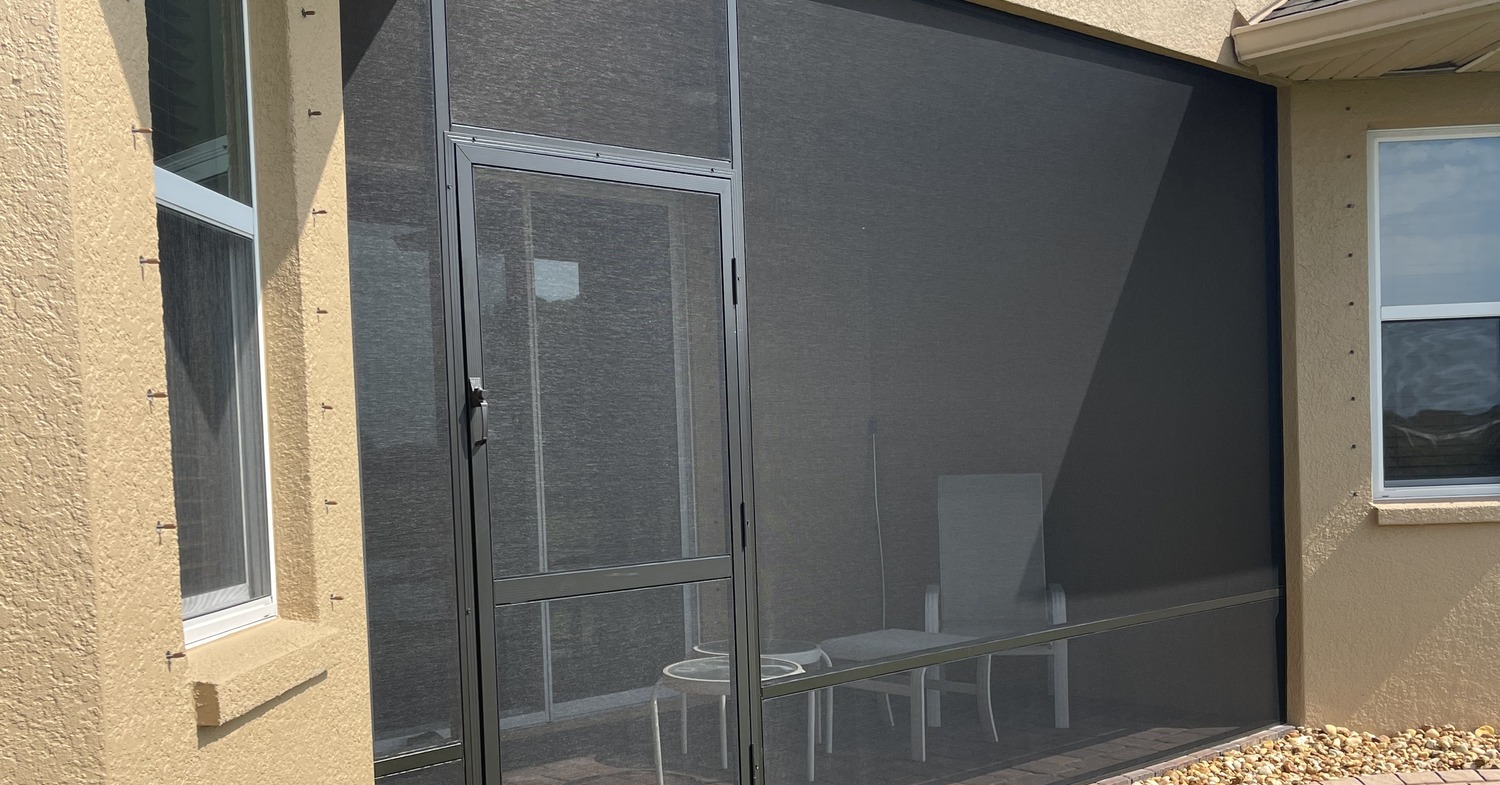
Affordable Lanai uses high-quality charcoal screen mesh on all standard installations — the same charcoal color that reduces glare and provides the clean, neutral appearance you see in our completed project gallery. Our standard screen is sourced from US manufacturers and specified to meet Hillsborough County’s building code requirements. When clients request aluminum screen for high-traffic sections or have pets that require it, we accommodate that with a hybrid approach that puts the right material in the right location within the same enclosure. All our screening selections are backed by our 10-year material warranty and 1-year labor warranty.
The National Association of Home Builders notes that screen material selection is one of the most important variables in the long-term performance of outdoor enclosures in warm, humid climates — a point we reinforce with every aluminum vs fiberglass screen conversation we have with Hillsborough County homeowners.
Frequently Asked Questions: Aluminum vs Fiberglass Screen
Is aluminum vs fiberglass screen a difficult choice for Florida homes?
Not once you understand the climate factors. For most Florida residential lanais and screen rooms, fiberglass is the better long-term choice due to corrosion immunity and UV stability. Aluminum is appropriate for high-impact zones or where maximum rigidity is needed.
Does aluminum vs fiberglass screen affect my view from inside?
Both provide clear outward visibility in charcoal color. Fiberglass is generally considered to offer slightly better visibility due to its less reflective surface, which reduces the glare that can sometimes affect aluminum screen in direct sunlight.
How does salt air affect the aluminum vs fiberglass screen choice?
Salt air is the clearest differentiator in the aluminum vs fiberglass screen decision for coastal Hillsborough County properties. Salt accelerates oxidation on aluminum wire, significantly shortening its lifespan. Fiberglass has no metallic components to corrode, making fiberglass the definitive choice for properties near Tampa Bay, Apollo Beach, and Ruskin.
Can I mix aluminum and fiberglass in the same enclosure?
Yes. Many homeowners choose aluminum for lower panels in high-traffic areas and fiberglass for upper panels and roof sections. This aluminum vs fiberglass screen hybrid approach gets the best of both materials within a single enclosure design.
How often does Florida screen need replacement?
Quality fiberglass screen in Florida typically lasts 10 to 15 years with basic maintenance. Aluminum screen runs 7 to 12 years in Hillsborough County conditions. Regular rinsing with fresh water extends the life of either material by removing salt, pollen, and organic debris that accelerate degradation.
Conclusion: Aluminum vs Fiberglass Screen for Florida’s Climate
The aluminum vs fiberglass screen decision for Florida homeowners is clearer once you understand what each material actually experiences in our climate. Fiberglass outperforms aluminum in UV resistance, corrosion resistance, and wind flexibility — the three most critical performance factors in Hillsborough County’s environment. Aluminum holds its own in impact zones and high-traffic areas. For most residential lanai and pool screen enclosure projects, we recommend fiberglass as the primary choice in any aluminum vs fiberglass screen evaluation for Florida. Our team at Affordable Lanai has installed over 2,000 screen enclosures across Hillsborough County in 15 years and can guide you to the right screening material for your specific project.
Get expert guidance on aluminum vs fiberglass screen for your specific project today. Contact Affordable Lanai or call (813) 777-5665. Use our online Build and Price tool for an instant estimate on your screen enclosure project.