
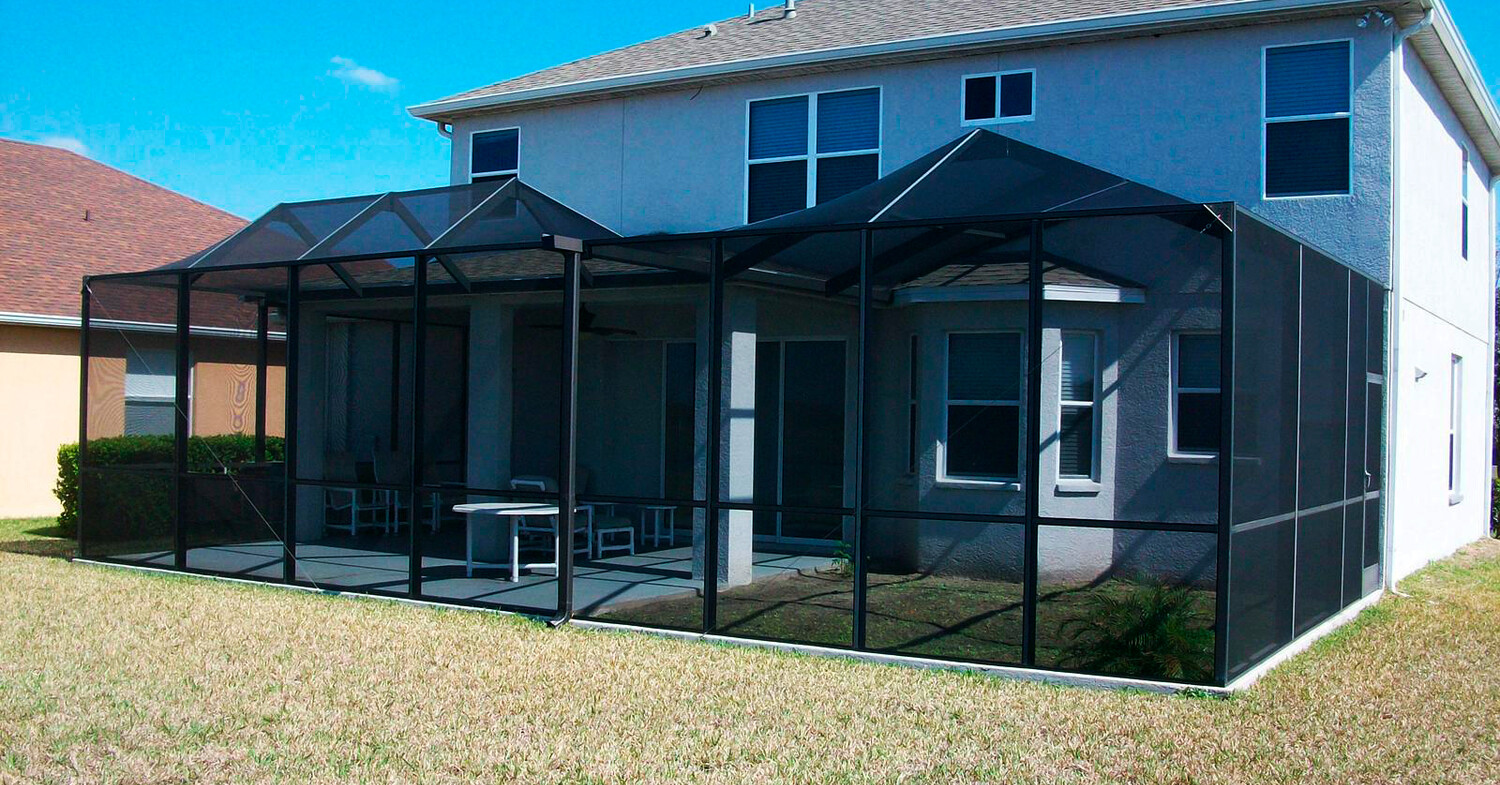
If you share your Florida lanai with a dog, cat, or any curious four-legged companion, you already know the struggle. Standard fiberglass screen mesh tears easily under claws, and a single swipe can leave you with a hole that invites mosquitoes, lizards, and humidity right back into your outdoor living space. That is exactly why more homeowners across Tampa Bay are upgrading to a pet screen enclosure Florida families trust to hold up against everyday wear and tear.
Choosing between pet screen and standard screen is not just about durability. It also affects airflow, visibility, maintenance costs, and even the resale value of your home. In this guide, we break down the real differences so you can make a confident decision before your next lanai screen installation or rescreening project.
Pet screen is roughly seven times stronger than standard fiberglass mesh, making it the go-to choice for Florida homeowners with dogs or cats. It resists claw tears, punctures, and UV damage far better than standard screen, though it is slightly less transparent and costs about 20 to 30 percent more per panel. For most pet owners, the extra investment pays for itself in avoided rescreening bills within the first year or two.
Table of Contents
- What Is Pet Screen and How Does It Differ from Standard Screen?
- Durability and Tear Resistance Compared
- Visibility and Airflow Differences
- Cost Comparison for Florida Homeowners
- Which Screen Works Better for Pool and Lanai Enclosures?
- Installation Considerations for Pet Screen in Florida
- How Pet Screen Handles Florida Weather
- When Standard Screen Still Makes Sense
- Frequently Asked Questions
- Conclusion
What Is Pet Screen and How Does It Differ from Standard Screen?
Standard screen mesh is made from thin fiberglass strands woven into a lightweight grid. It does a fine job keeping insects out and letting air flow through, but it was never designed to withstand physical impact. A playful dog jumping against the screen or a cat climbing up the mesh can punch right through it, leaving you with a repair bill and a lanai full of bugs.
Pet screen, on the other hand, is constructed from vinyl-coated polyester that is significantly thicker and more tightly woven. The most popular brands, including Phifer PetScreen, use a heavy duty lanai screen weave that is rated at roughly seven times the tear resistance of standard fiberglass. This pet proof screen enclosure material is the same product many pet screen enclosure Florida contractors recommend for homes in Hillsborough, Manatee, and Polk counties where pets and outdoor living go hand in hand.
The key difference comes down to the yarn itself. Standard fiberglass screen uses thin, brittle strands that snap under pressure. The screen mesh for pets Florida homeowners prefer uses flexible polyester coated in PVC, so it stretches slightly before it tears. That small amount of give is what makes this heavy duty lanai screen so effective at absorbing claw scratches and paw impacts without splitting open.
Durability and Tear Resistance Compared
When you compare tear strength side by side, pet screen wins by a wide margin. Standard fiberglass mesh has a tear strength of roughly 12 to 15 pounds per inch. Pet screen, depending on the brand and grade, typically rates between 80 and 110 pounds per inch. That is not a small improvement. It is a completely different category of material.
For Florida homeowners, this matters beyond just pets. A heavy duty lanai screen also holds up better against wind-blown debris during summer storms. While no screen is hurricane-proof, a pet screen enclosure Florida families rely on will handle a stray branch or palm frond far better than standard mesh. This pet proof screen enclosure material also resists punctures from yard tools, grill accessories, and furniture that gets bumped against it during parties or cookouts.
One thing to keep in mind is that even the best screen mesh for pets Florida contractors install is not indestructible. A determined large dog running full speed at a screen panel can still cause damage, especially if the frame behind it is weak. That is why professional installation of a pet proof screen enclosure matters. A properly tensioned pet screen in a well-built aluminum frame will last significantly longer than a DIY job where the screen is loose or unevenly stretched. Affordable Lanai installs pet-friendly screen options across the Tampa Bay region with frames designed to distribute pressure evenly.
Visibility and Airflow Differences
One of the most common concerns about pet screen is visibility. Because the weave is thicker and tighter, it does block slightly more light and reduces outward visibility compared to standard fiberglass screen. If you are sitting inside your lanai looking out at your yard, you will notice a faint darkening effect with pet screen. It is similar to looking through a pair of lightly tinted sunglasses.
In practical terms, most homeowners adjust to the difference within a few days. The view is still clear enough to enjoy your landscaping, watch the kids play, or keep an eye on the pool. Where it becomes more noticeable is at night when interior lights are on. Pet screen can make the enclosure feel slightly more enclosed after dark.
Airflow is another area where standard screen has a slight edge. The thinner fiberglass mesh allows a bit more breeze to pass through. However, in Florida’s humid climate, the difference is minimal. Both screen types allow enough air circulation to keep your lanai comfortable, especially if you have ceiling fans or a covered roof section to help move the air around.
Some homeowners choose a hybrid approach, installing heavy duty lanai screen on the lower panels where pets can reach and standard screen on the upper sections. This gives you the best of both worlds in a pet screen enclosure Florida homes benefit from. Your pets cannot damage the lower panels, and the upper sections let in maximum light and airflow. Many pool screen enclosure installations in the Tampa Bay area use this exact strategy with screen mesh for pets Florida families recommend.
Cost Comparison for Florida Homeowners
Pet screen material costs about 20 to 30 percent more than standard fiberglass screen. For a typical Florida lanai enclosure measuring 20 by 30 feet, this translates to an additional $200 to $600 in material costs depending on how many panels need pet screen. Labor costs are similar for both materials, though pet screen takes slightly more effort to tension properly because of its thicker construction.
The real cost comparison, however, should factor in the frequency of rescreening. A standard fiberglass screen damaged by pets might need replacement every one to three years. Pet screen routinely lasts five to ten years or longer, even with active dogs and cats using the lanai daily. When you calculate the total cost of ownership over a decade, pet screen almost always comes out cheaper for households with pets.
Here is a simplified breakdown for a mid-sized pet screen enclosure Florida homeowners can expect. Initial installation with standard screen might run $1,500 to $2,500 for the mesh portion. With a pet proof screen enclosure upgrade, that same project might cost $1,800 to $3,200. But if you have to rescreen with standard mesh every two years at $800 to $1,200 per visit, the savings from heavy duty lanai screen become obvious quickly.
It is also worth noting that some insurance companies in Florida look favorably on upgraded screen materials. While pet screen alone will not lower your homeowners insurance premium, it can be a positive factor during a wind mitigation inspection when combined with other structural improvements to your lanai or pool cage.
Which Screen Works Better for Pool and Lanai Enclosures?
For pool enclosures specifically, pet screen offers an extra benefit. It handles chlorine splash and chemical exposure better than standard fiberglass. Pool chemicals can gradually weaken fiberglass strands over time, causing them to become brittle and crack. The vinyl-coated polyester in pet screen resists this chemical degradation, which is especially important in Florida where pools are used year-round.
On the lanai side, a pet proof screen enclosure is particularly useful in areas where your outdoor furniture sits against the screen walls. Chair legs, table edges, and grill handles that bump against standard screen can cause small tears that grow over time. The screen mesh for pets Florida homeowners install absorbs these impacts without damage, keeping your lanai looking clean and well-maintained for years.
If your enclosure serves double duty as both a pool cage and a general outdoor living area, pet screen on the lower half and standard screen on the upper half is the most cost-effective configuration. This protects the areas most vulnerable to pet damage, furniture contact, and pool chemical splash while keeping the overhead panels light and airy. Contractors who specialize in custom lanai screen installations can configure your enclosure to match your specific needs.
Installation Considerations for Pet Screen in Florida
Installing pet screen requires slightly different techniques than standard screen. Because the material is thicker and stiffer, it takes more force to pull it tight across the frame. Loose pet screen is a common problem with DIY installations because homeowners underestimate how much tension is needed. A loose panel not only looks bad but also defeats the purpose, since a pet can push against a sagging screen and pop it out of the spline channel.
Professional installers use wider spline, typically 0.175 inches or larger, to hold heavy duty lanai screen securely in aluminum frames. Standard screen uses narrower spline, usually around 0.140 inches. Using the wrong spline size with screen mesh for pets Florida projects is one of the most common installation mistakes and leads to panels pulling free within months.
In Florida, building codes require screen enclosures to meet specific wind load requirements. Pet screen, being heavier per square foot than standard screen, puts slightly more load on the aluminum frame during high winds. A well-designed frame handles this easily, but an older or corroded frame might need reinforcement before pet screen is installed. This is another reason why a professional assessment matters before any rescreening project.
Affordable Lanai offers free on-site evaluations where a technician inspects your existing frame, measures each panel, and recommends the best screen configuration for your household. You can schedule a free on-site evaluation to get a detailed quote tailored to your pet screen enclosure Florida home.
How Pet Screen Handles Florida Weather
Florida weather puts every building material to the test. Between intense UV radiation, high humidity, salt air near the coast, and seasonal storms, screen enclosures take a beating regardless of what mesh they use. Here is how pet screen stacks up against standard screen in each of these conditions.
UV resistance is one area where a pet proof screen enclosure has a clear advantage. The vinyl coating on polyester pet screen absorbs ultraviolet light without breaking down as quickly as fiberglass. Standard fiberglass screen in direct Florida sun can become brittle and start flaking within three to five years. A heavy duty lanai screen maintains its flexibility and strength for seven to ten years under the same conditions.
Humidity and moisture resistance are roughly equal between the two materials. Neither pet screen nor standard fiberglass screen is prone to mold or mildew on its own. However, pet screen’s tighter weave can trap slightly more pollen and debris, which means it may need cleaning more frequently to prevent organic buildup that could attract mold on the surrounding frame.
During storm season, pet screen offers better resistance to small flying debris. According to the Florida Building Code, screen enclosures must meet minimum wind load specifications based on their location and exposure category. While pet screen is not rated as impact-resistant in the way hurricane shutters are, its higher tear strength means it survives contact with small branches and debris that would shred standard screen.
Salt air corrosion is primarily a frame concern rather than a screen concern. Both pet screen and standard screen hold up well against salt, but the aluminum frame components can corrode without proper powder coating or anodizing. If you live near the coast, investing in a marine-grade frame finish is just as important as choosing the right screen material.
When Standard Screen Still Makes Sense
Despite all the advantages of pet screen, standard fiberglass screen remains the right choice for certain situations. If you do not have pets and your lanai does not see heavy physical use, standard screen gives you better visibility, slightly more airflow, and lower upfront costs without sacrificing meaningful durability.
Standard screen is also the better option for upper panels on tall enclosures. These panels are out of reach of pets, children, and furniture, so they face minimal physical stress. Using standard screen on the upper half of a two-story cage and pet screen on the lower half is a smart way to balance cost, visibility, and protection.
For screen rooms used primarily as sunrooms or reading areas where foot traffic and pet activity are minimal, standard screen provides a lighter, more open feel. Some homeowners prefer the cleaner sightlines of standard fiberglass, especially if their lanai overlooks a lake, golf course, or preserve where views are a major selling point.
The bottom line is that both screen types serve important roles. The decision comes down to your specific situation. How active are your pets? How much physical contact does your screen see daily? What is your budget for rescreening over the next five to ten years? Answering these questions honestly will point you toward the right choice.
Choosing the Right Contractor for Your Pet Screen Enclosure in Florida
Not every screen contractor has experience working with pet screen. The thicker material requires different tools, wider spline, and more precise tensioning than standard fiberglass. When choosing a contractor for your pet screen enclosure Florida project, ask specifically about their experience with screen mesh for pets Florida installations and request references from other pet owners.
Look for contractors who offer warranties on both materials and labor. Affordable Lanai, for example, provides a 10-year warranty on materials and a 1-year warranty on labor for all screen installations. This kind of warranty coverage gives you peace of mind that your investment is protected, which is especially important when upgrading to premium materials like pet screen.
The Hillsborough County Building Department requires permits for new screen enclosures and certain rescreening projects. A reputable contractor will handle the permitting process for you and ensure your installation meets all local building codes. Be cautious of contractors who suggest skipping permits, as unpermitted work can create problems when you sell your home or file an insurance claim.
Getting multiple quotes is always a good practice. But the cheapest quote is rarely the best value when it comes to pet screen installation. Pay attention to the specifics of each quote, including the screen brand, spline size, frame condition assessment, and warranty terms. These details matter more than the bottom line price when you are investing in a screen that needs to last.
Frequently Asked Questions
How long does pet screen last in Florida compared to standard screen?
The heavy duty lanai screen material in pet screen typically lasts seven to ten years in Florida’s climate, while standard fiberglass screen averages three to five years before showing significant wear. In homes with pets, standard screen may need replacement every one to three years due to claw damage. The vinyl-coated polyester construction of a pet proof screen enclosure resists both UV degradation and physical damage far better than fiberglass, making it the longer-lasting choice for most Florida households.
Can I install pet screen on just part of my lanai enclosure?
Yes, and this is actually one of the most popular configurations for a pet screen enclosure Florida homeowners choose. Many contractors install pet screen on the lower panels where pets can reach and standard screen on the upper panels. This hybrid approach saves money while protecting the most vulnerable areas. It works especially well on tall pool cages where the upper panels are well out of any pet’s reach.
Does pet screen block more light than standard screen?
Pet screen does reduce visibility and light transmission slightly compared to standard fiberglass screen. The thicker weave creates a subtle darkening effect, similar to looking through lightly tinted glass. Most homeowners find the difference minor and adjust to it within a few days. During daytime hours with bright Florida sunshine, the effect is barely noticeable. It becomes more apparent in the evening when interior lights are on.
Is pet screen worth the extra cost for homeowners without pets?
For homeowners without pets, pet screen is generally not necessary unless your lanai sees heavy physical use from children, furniture contact, or frequent entertaining. Standard fiberglass screen offers better visibility and airflow at a lower cost. However, if you plan to get a pet in the future or if your lanai is in an area prone to wind-blown debris, the added durability of pet screen can still be a worthwhile investment for long-term savings.
What is the best pet screen brand for Florida homes?
Phifer PetScreen is the most widely recommended brand among Florida contractors. It uses a vinyl-coated polyester construction with tear strength rated at roughly seven times that of standard fiberglass. Other reputable options include Saint-Gobain ADFORS pet screen and Screen Tight pet-resistant mesh. All three brands perform well in Florida’s climate and resist UV damage, humidity, and salt air exposure effectively.
Can pet screen withstand hurricane-force winds?
No screen mesh, including pet screen, is rated to withstand hurricane-force winds. During a major hurricane, screen enclosures of any type can sustain damage. However, pet screen handles tropical storm conditions and moderate wind-blown debris better than standard fiberglass screen due to its higher tear strength. For true hurricane protection, consider installing removable storm panels or hurricane shutters on the most exposed sides of your enclosure during storm season.
Conclusion
Choosing the right screen mesh for pets Florida lanais comes down to how you use your outdoor space. If pets are part of the picture, the upgrade to a pet screen enclosure Florida homeowners trust is almost always worth it. The higher tear resistance, longer lifespan, and reduced rescreening costs of a pet proof screen enclosure add up to real savings over time. Even the slight trade-offs in visibility and airflow are minimal compared to the peace of mind you get knowing your heavy duty lanai screen can handle daily life with dogs and cats.
For homeowners across Hillsborough, Manatee, and Polk counties looking for a reliable pet screen enclosure Florida contractor, Affordable Lanai offers free estimates with transparent pricing. With over 15 years of experience and more than 2,000 lanai screen enclosures installed, the team understands exactly what Florida homes need. Call (813) 777-5665 or visit the website to schedule your free on-site evaluation and find out which screen option is right for your lanai.